Burn Zones

c) Andrew Carter, 2021

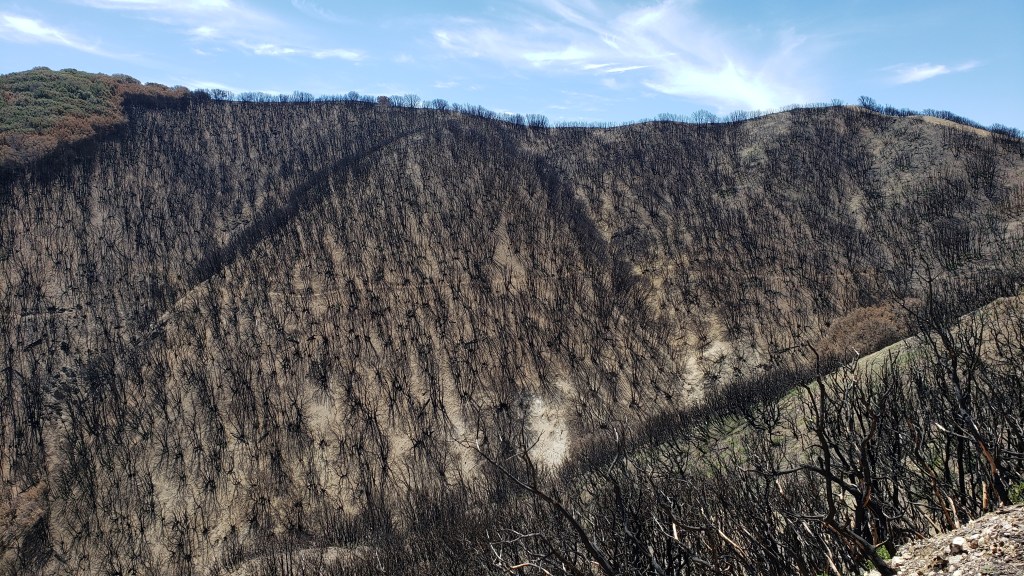
I’ve previously posted video footage of a 360-degree view from the heart of the decimated 2020 Lake Fire burn zone near Lake Hughes. I’ve also posted several photos from the edge of that fire zone, including one of where I camped one night.

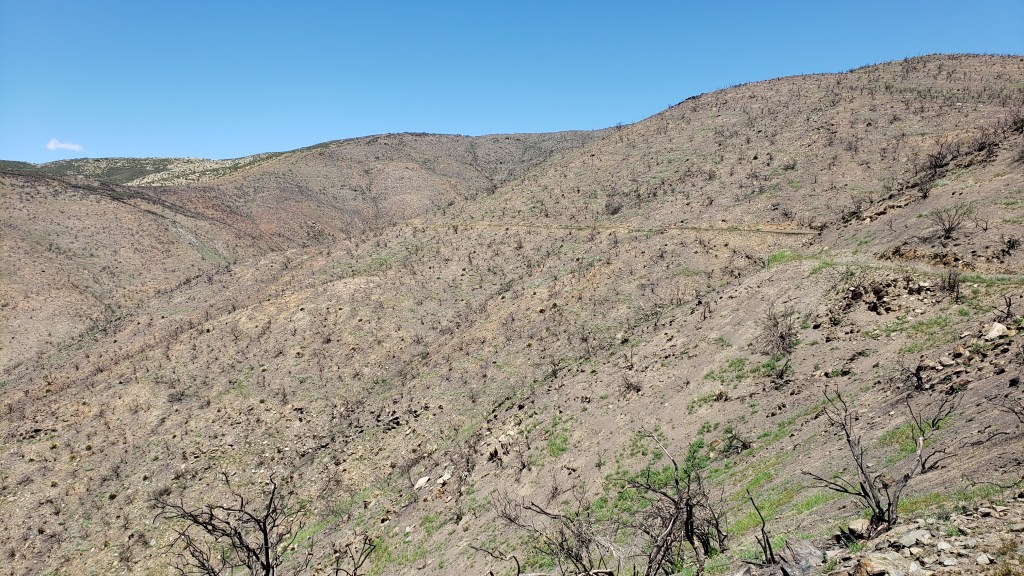
Here are more photos of burn zones from the 2020 Lake Fire, the 2020 Bobcat Fire farther south in the Angeles National Forest, and from wildfires which took place in previous years.

Fire is a fact of life in southern California. With climate change, it is only getting worse. Wildfire hits every year in multiple places along the PCT, including farther north in Oregon and even sometimes in Washington. That means that each year, there is inevitably some part of the trail which is closed due to fire.

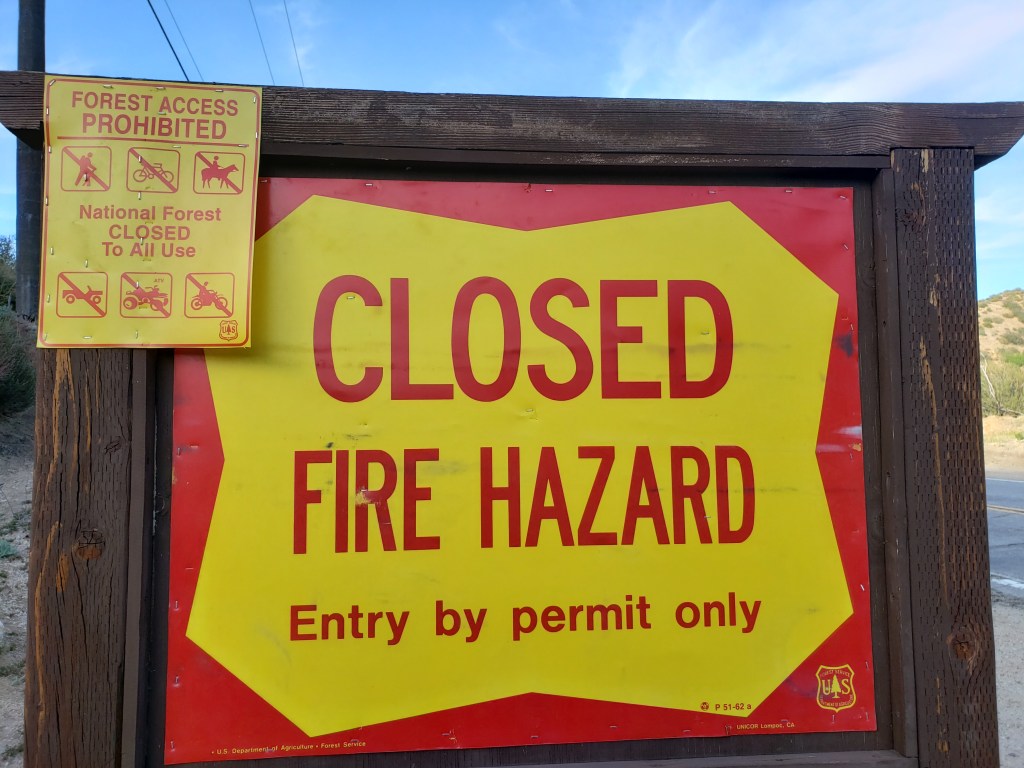
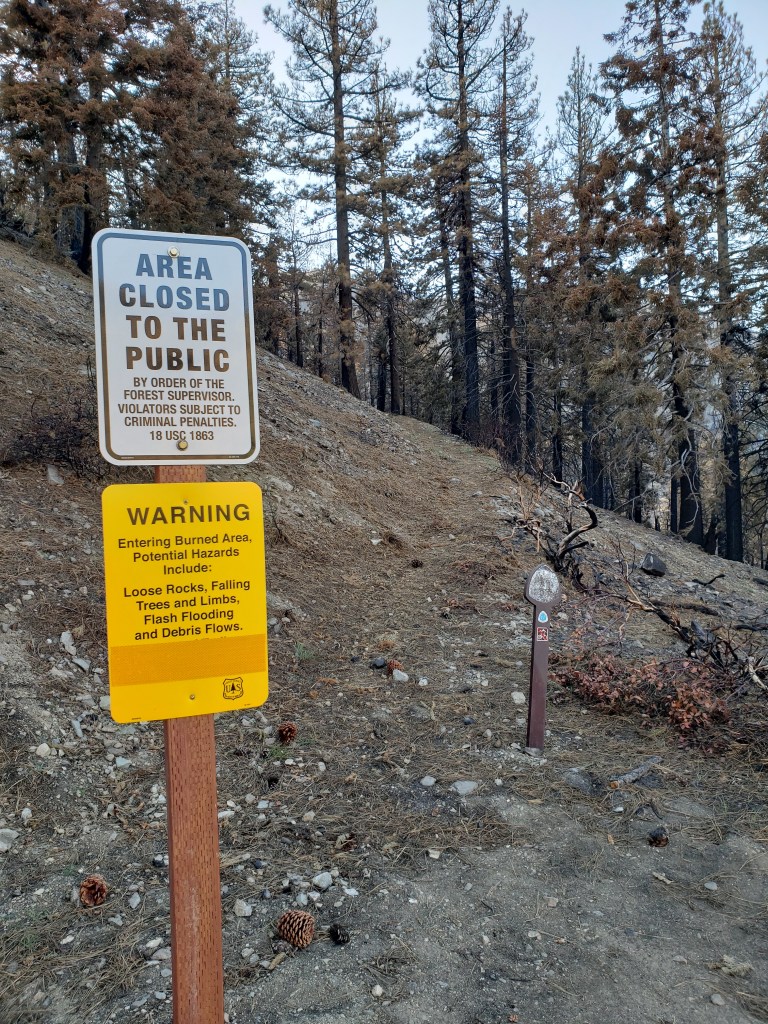
I hiked through the Lake Fire burn zone even though it was actually closed. I didn’t know it was closed, however, because there was no signage for southbound hikers. Just signage at the southern border of the zone for northbound hikers. (See sign below.)

I knew the Bobcat Fire burn zone was closed so I road-walked for 20 miles on the Angeles Crest Highway to get around it.

At the moment, there is one other burn zone which is currently closed. It’s in Oregon, near Mt. Jefferson. That burn zone is currently scheduled to open up before I get there, but sometimes closure orders are extended. If it doesn’t open, I will be in a pickle getting around it because it is in a very remote area.

I’ve got my fingers crossed that there will be no new fires this year which close part of the PCT. Here’s hoping.

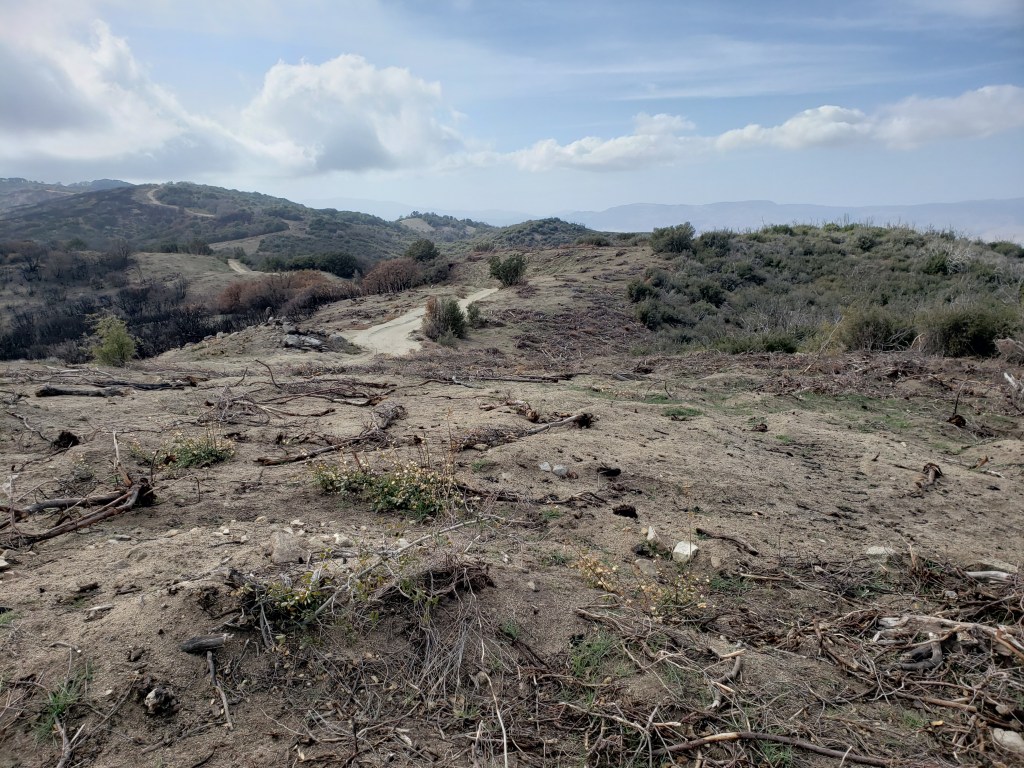
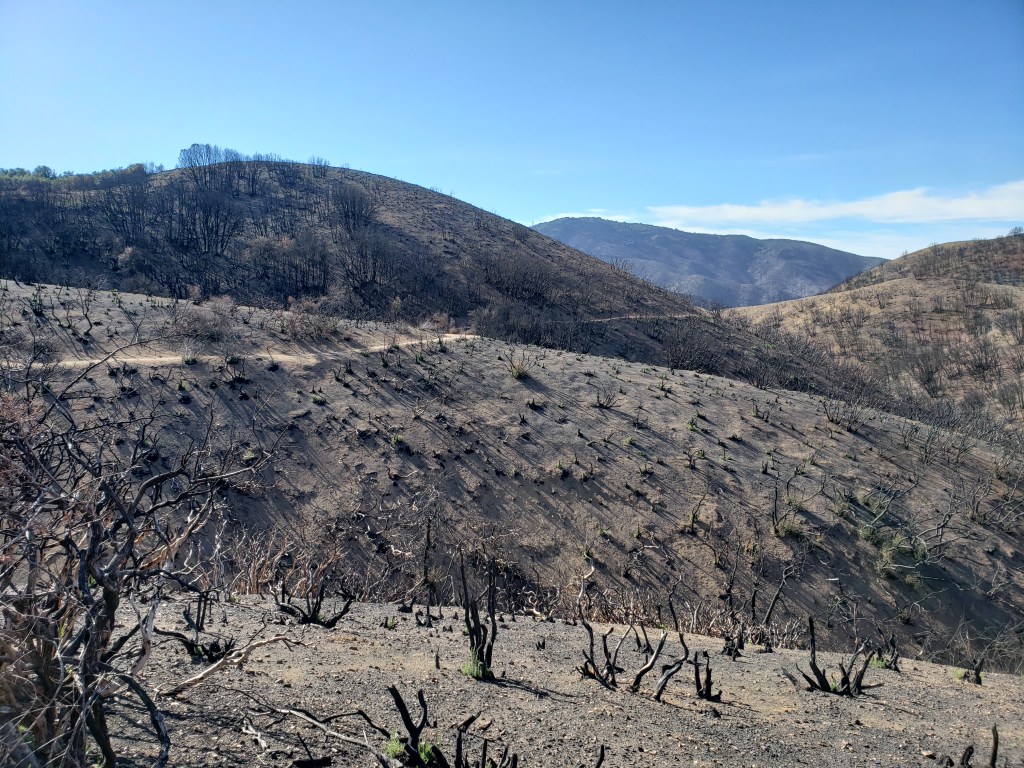
At the edge of the fire zone. Green life emerging from the roots of dead trees. Where the fire burns hottest, the roots are burned as well and no green shoots are able to emerge.
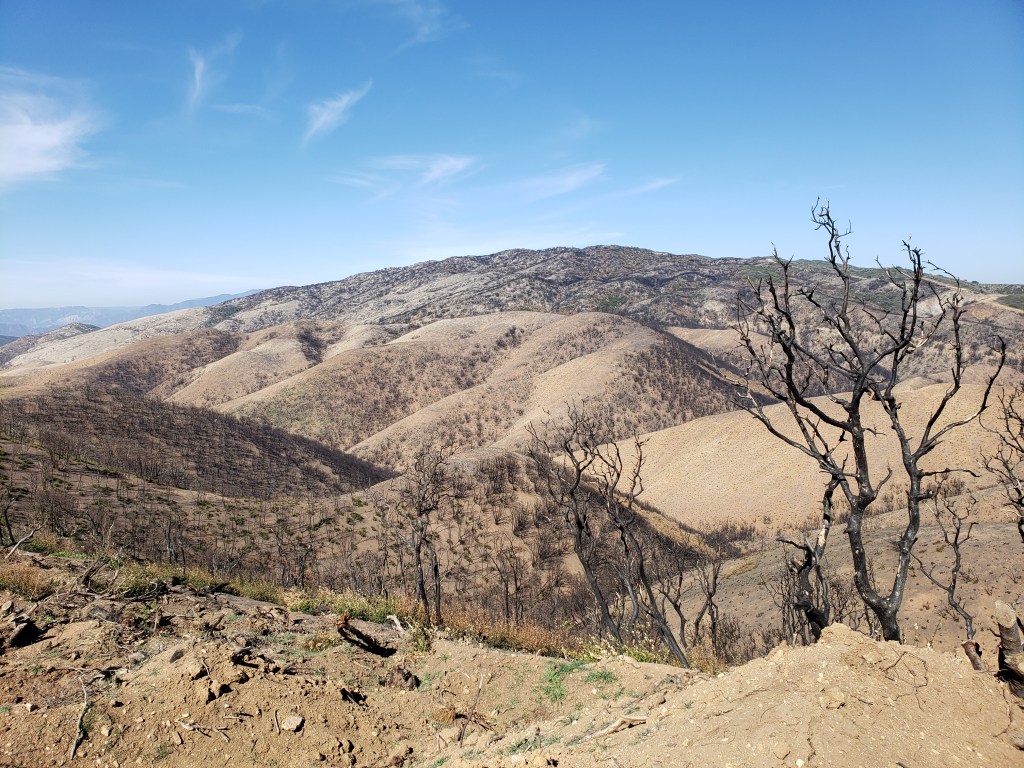
This land was plowed by the Forest Service to serve as a fire break. Here the fire break worked. Farther south in the Lake Fire burn zone, the fire break didn’t work. The fire was blowing so hot and so fast that it jumped the fire break and burned into another canyon.
Burnt PCT sign.
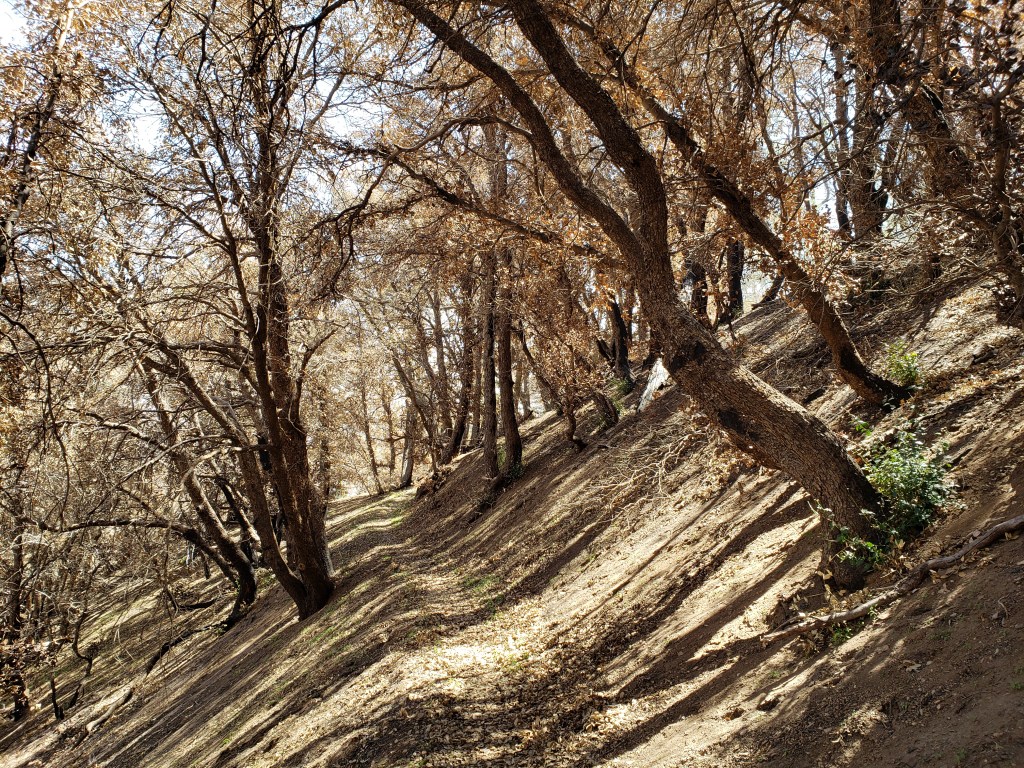
At the edge of the burn zone. Many of these oak trees may survive.
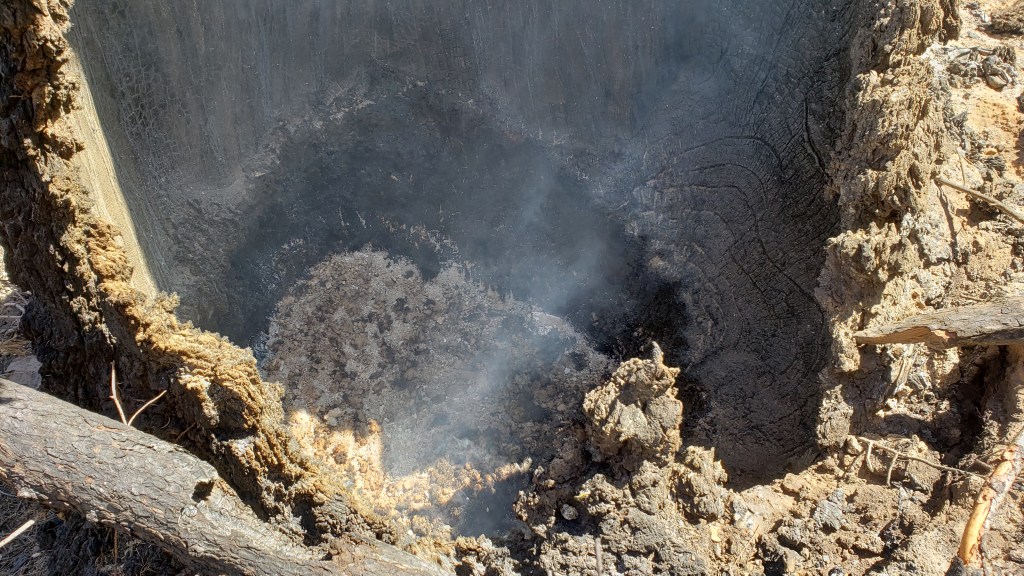
A trunk smoldering seven months after the wildfire was extinguished.
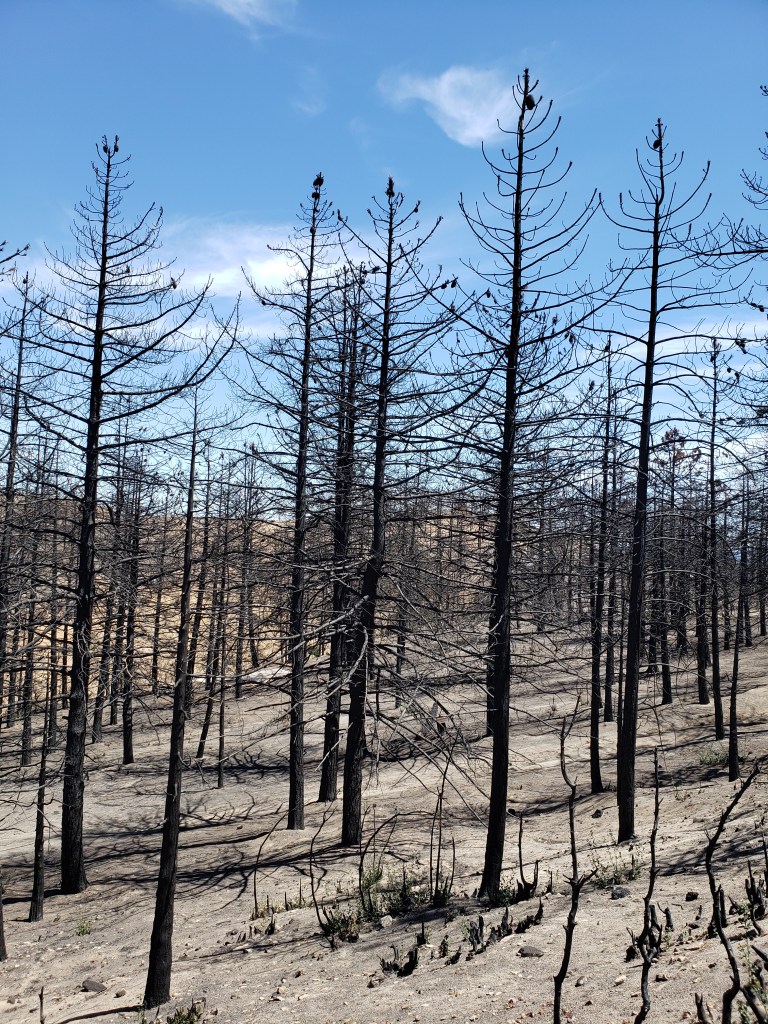
Dead pine trees.
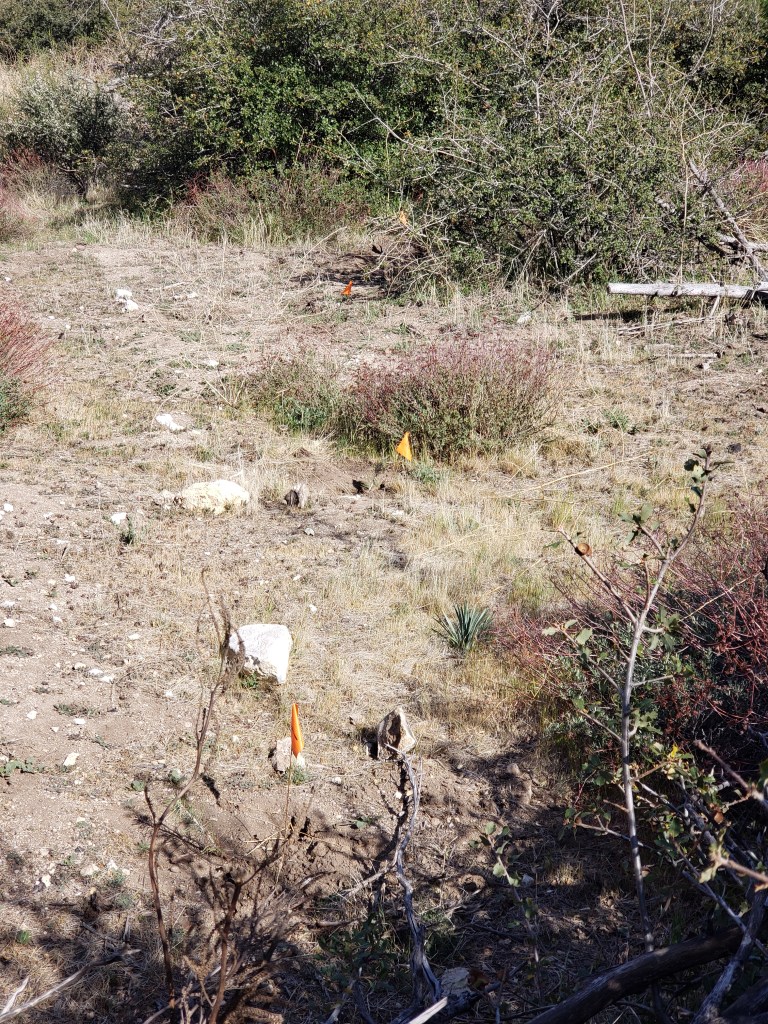
At the base of each orange flag is a pine seedling which has been planted in an effort to restore the pine forest.
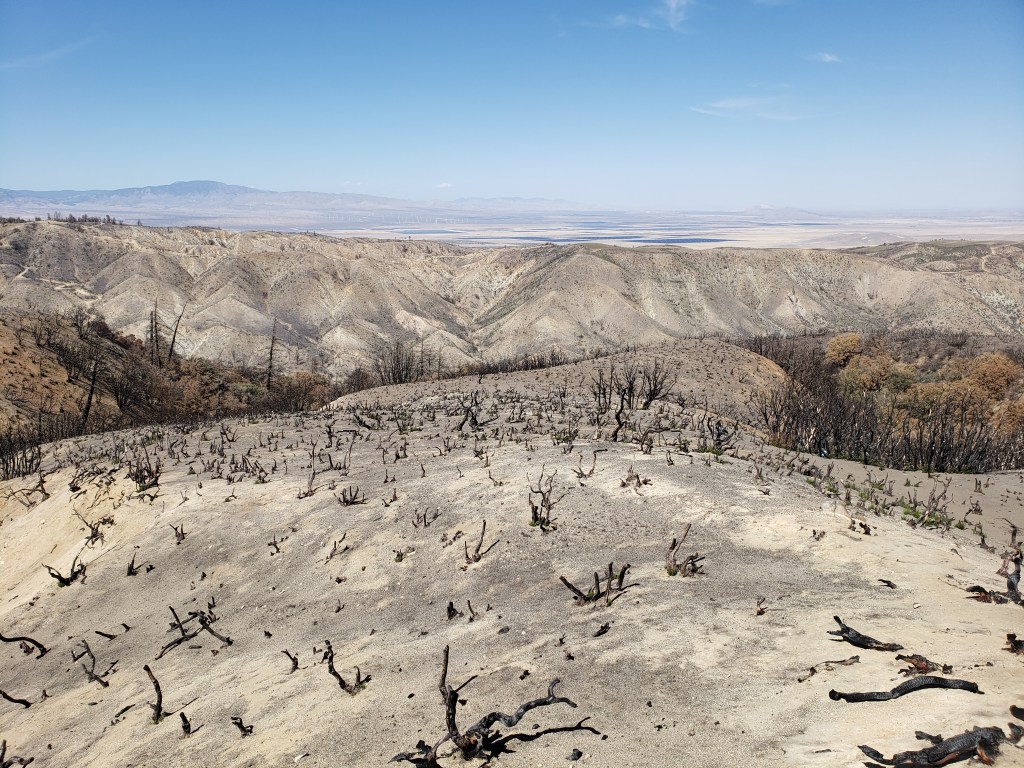
Nothing emerging from the burnt roots here.
A spring just outside the Lake Fire burn zone.
Closure sign for northbound hikers near the southern edge of the Lake Fire burn zone. There was no closure signage at the the northern edge for southbound hikers.
The ash is able to sneak through shoes and socks.
Growth several years after a fire.
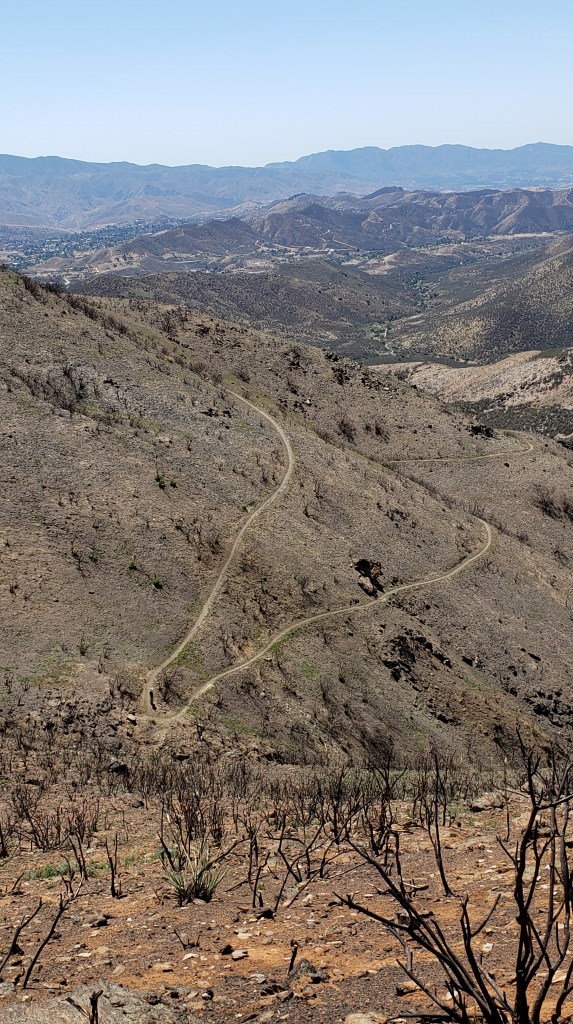
The trail through a burn zone.
This is a picture from the 2018 Stone Fire burn zone near Agua Dulce.
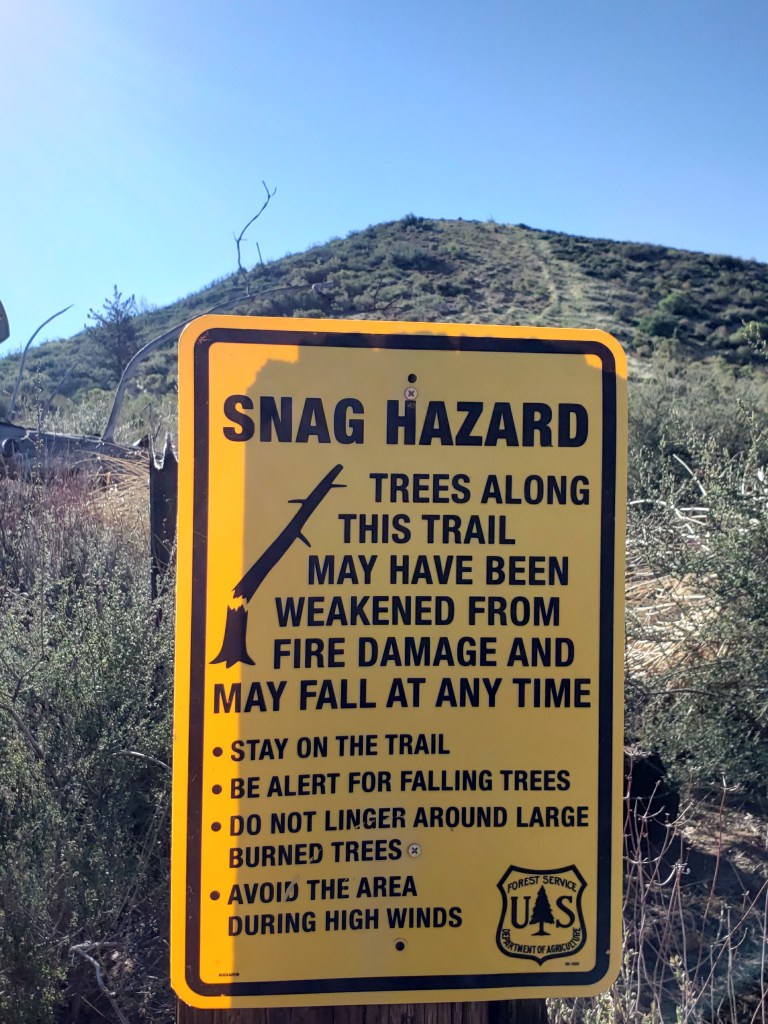
Important advice. Hikers have been killed by falling limbs when camping in a burn zone.
Closure signage in the 2020 Bobcat Fire burn zone.

Published by

Unknown's avatar

Andrew Carter

I just completed a multi-year thru hike (MYTH) of the Pacific Crest Trail (PCT). It took three years. I hiked 1840 miles in 2021, 733 miles in 2022, and 122 miles in 2023. The only reason I had to hike in 2023 was a wildfire closure at the north end of the PCT in 2022. During the past two years, I've also thru hiked other, shorter US trails. I hiked the Benton MacKaye Trail (GA, NC, TN) and the Tuscarora Trail (VA, WV, MD, PA) in 2022 plus the Ozark Highlands Trail (AR) in 2023. I hope to hike the Long Trail (VT) next year and the Colorado Trail at some point in the future. Please note, all content on this site is copyright.

2 thoughts on “Burn Zones”

  1. Interesting photos. Makes the devastation I’ve heard about on the nightly news here on the East Coast more real.

    Like

    1. It takes living in California where it absolutely does not rain between April and September and often doesn’t rain in March and October either to understand drought. And now with global warming, the fire season is almost year round.

      Like

Leave a reply to Chris Carter-Husk Cancel reply