c) Andrew Carter, 2022


c) Andrew Carter, 2022
c) Andrew Carter, 2022
c) Andrew Carter, 2022

c) Andrew Carter, 2022

c) Andrew Carter, 2022


c) Andrew Carter, 2022
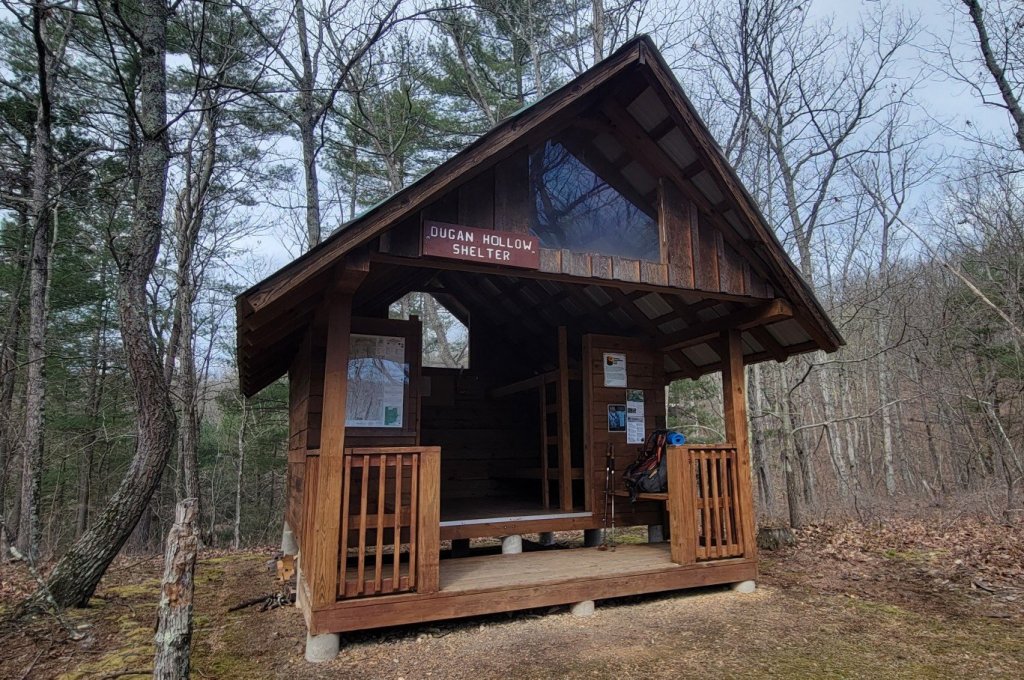
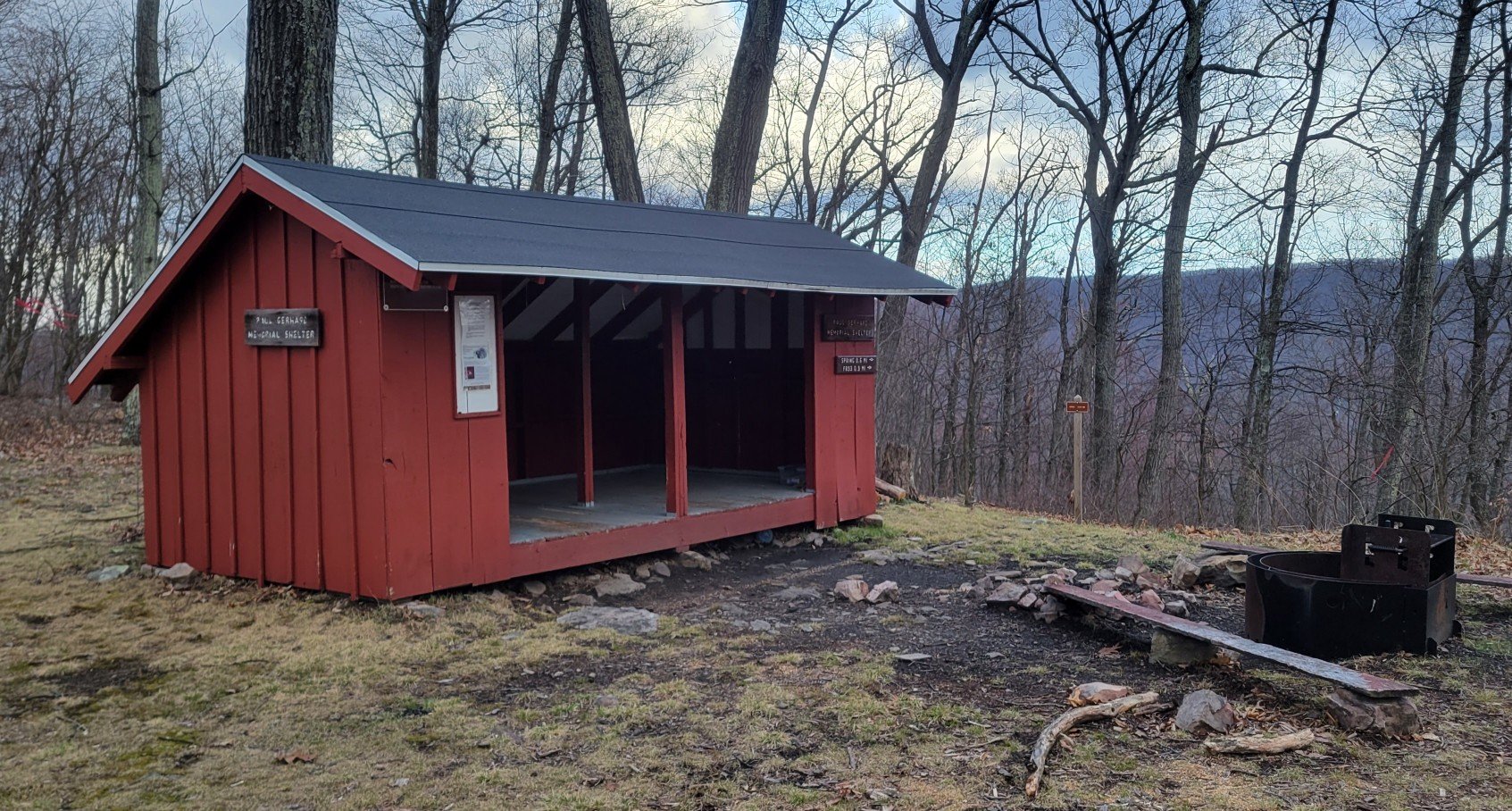
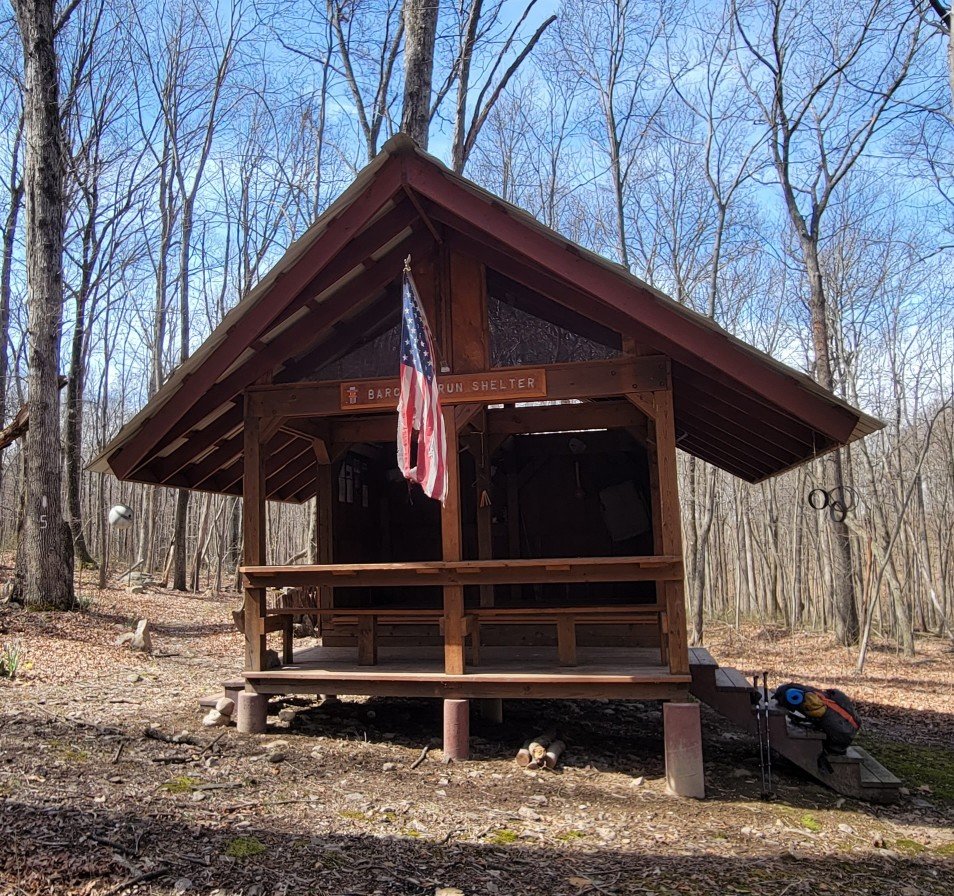
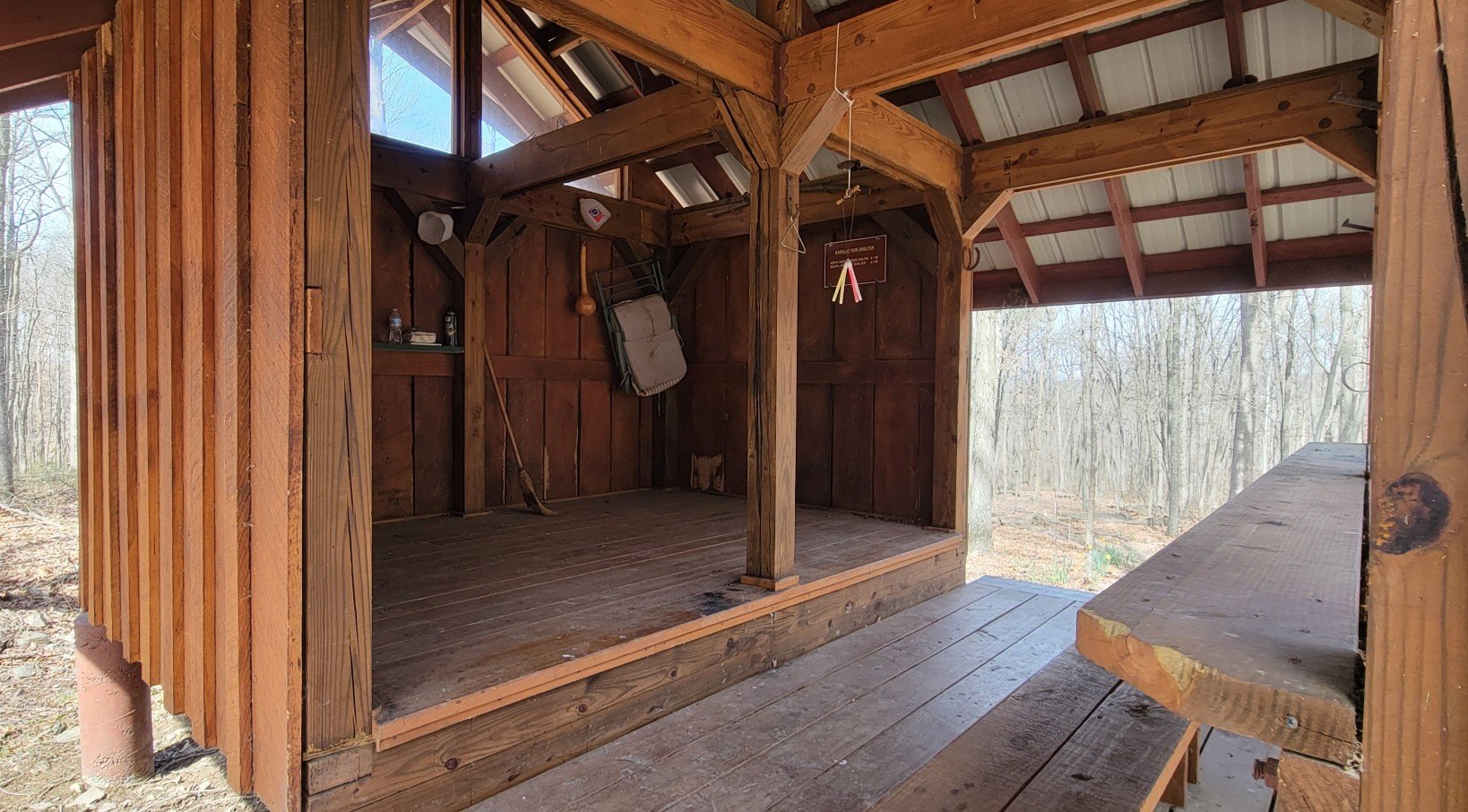
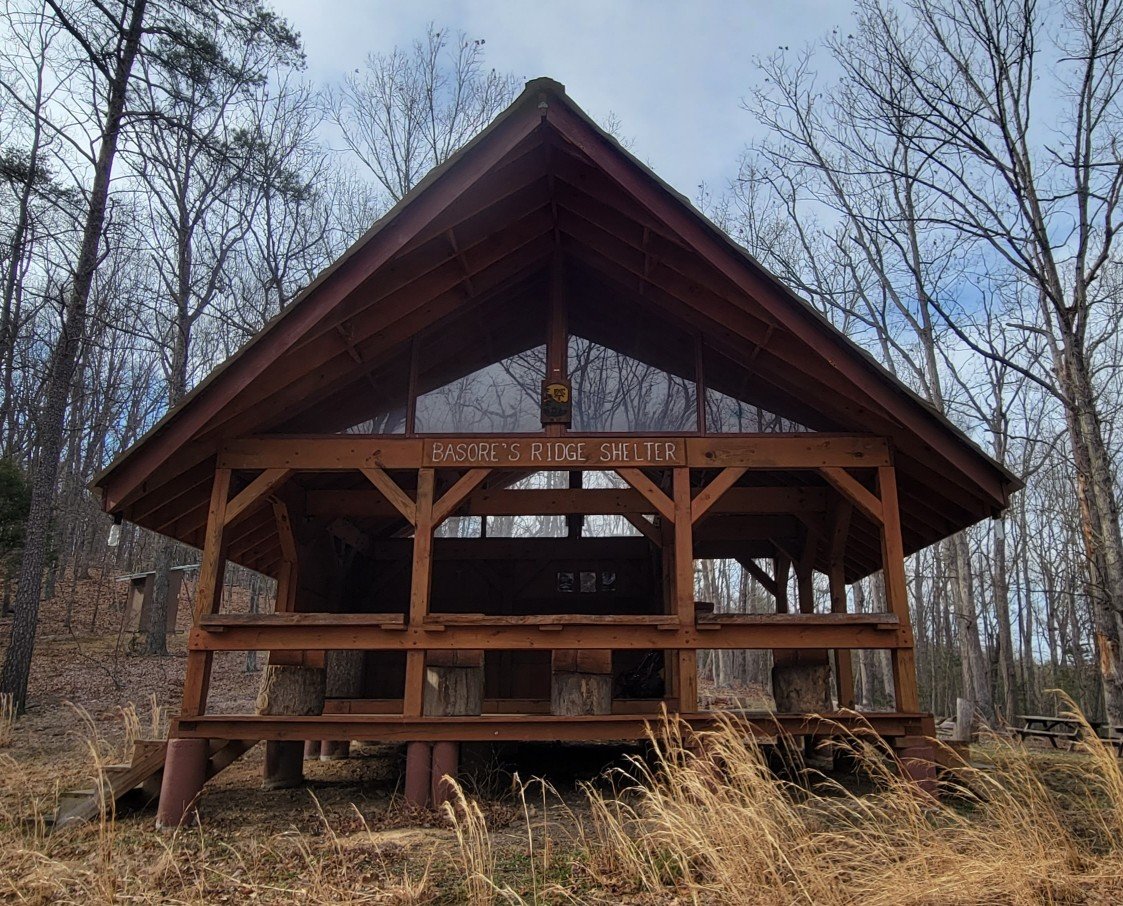
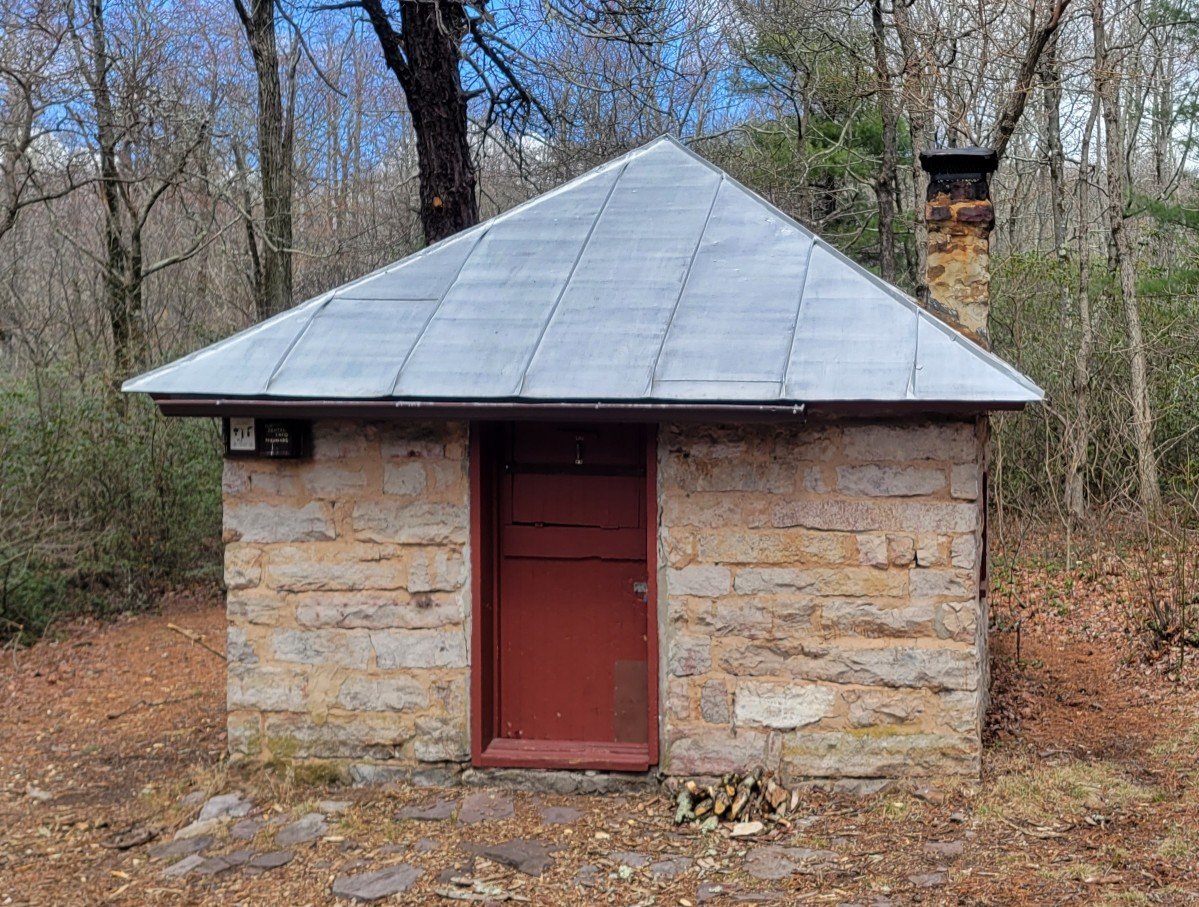
Unlike the PCT, but like the AT, the Tuscarora Trail has shelters where hikers can spend the night.
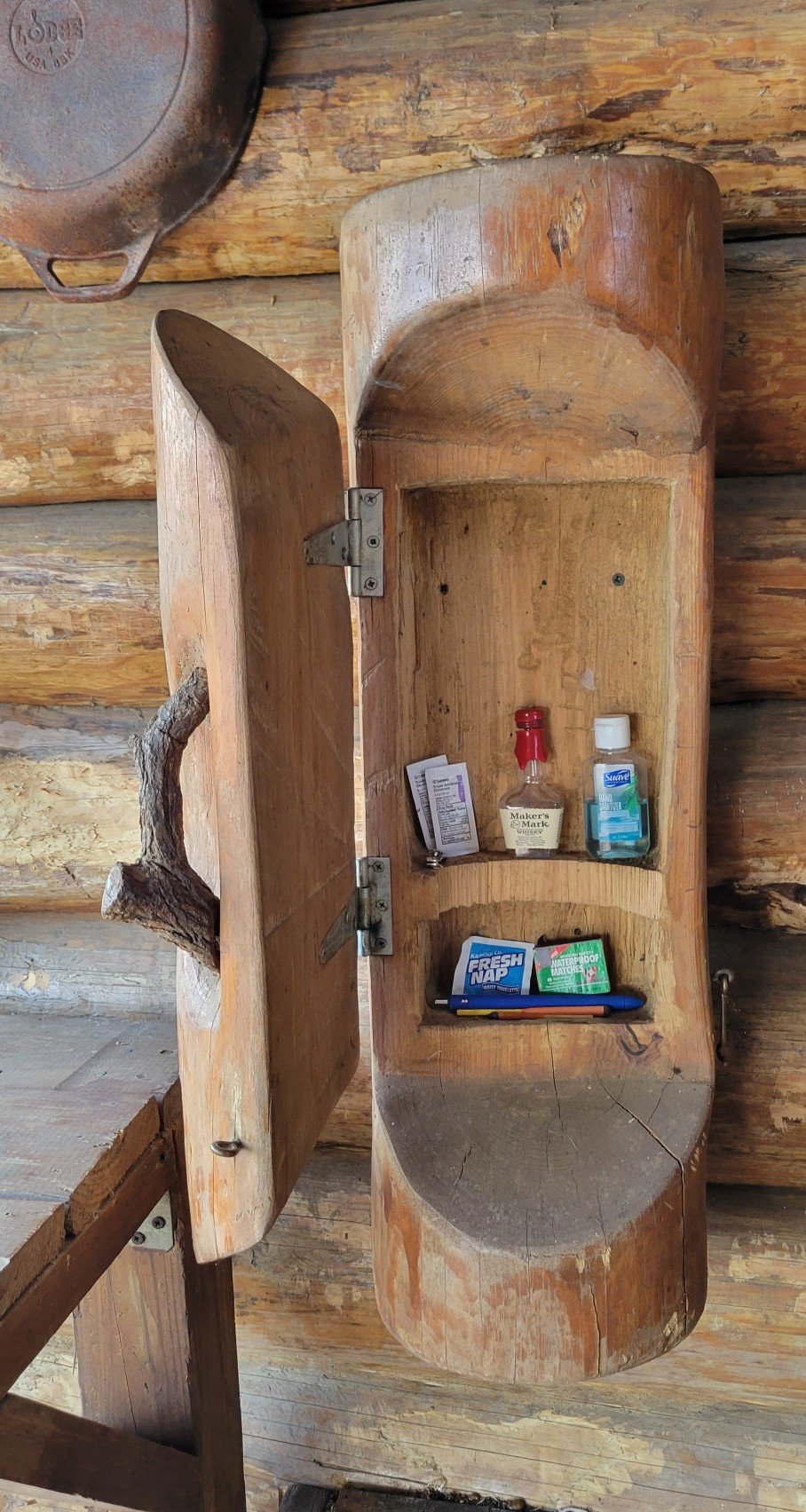
I’ll first show you Shockey’s Knob Shelter, which is my favorite. You can tell a lot of love went into its construction and upkeep.
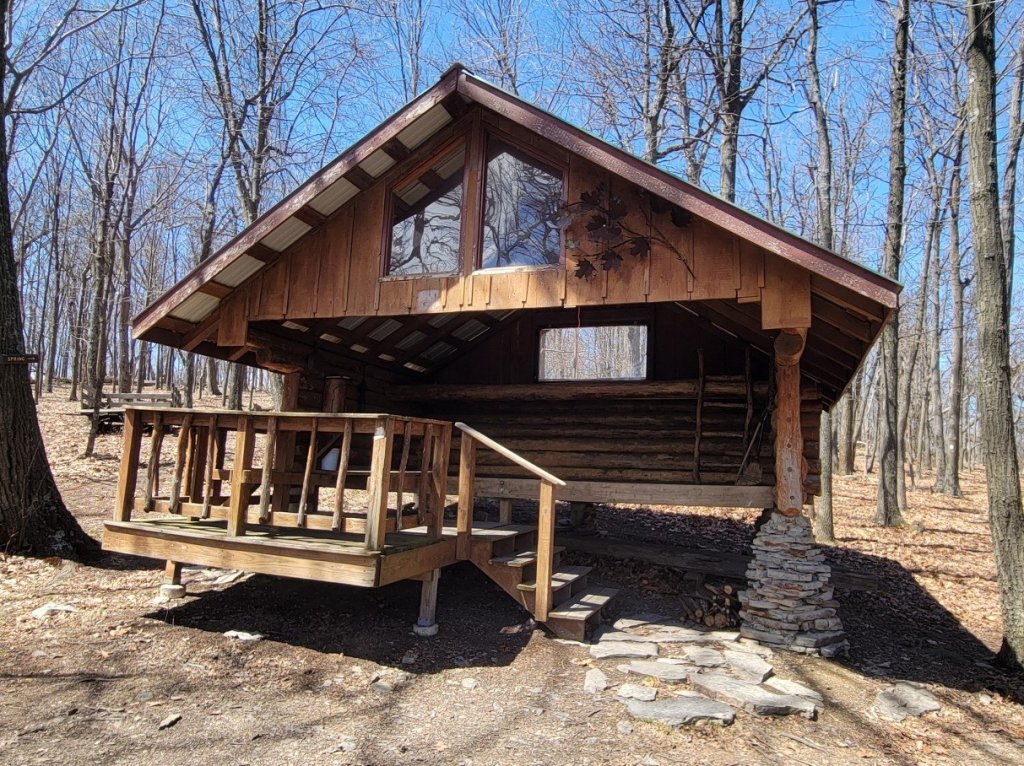

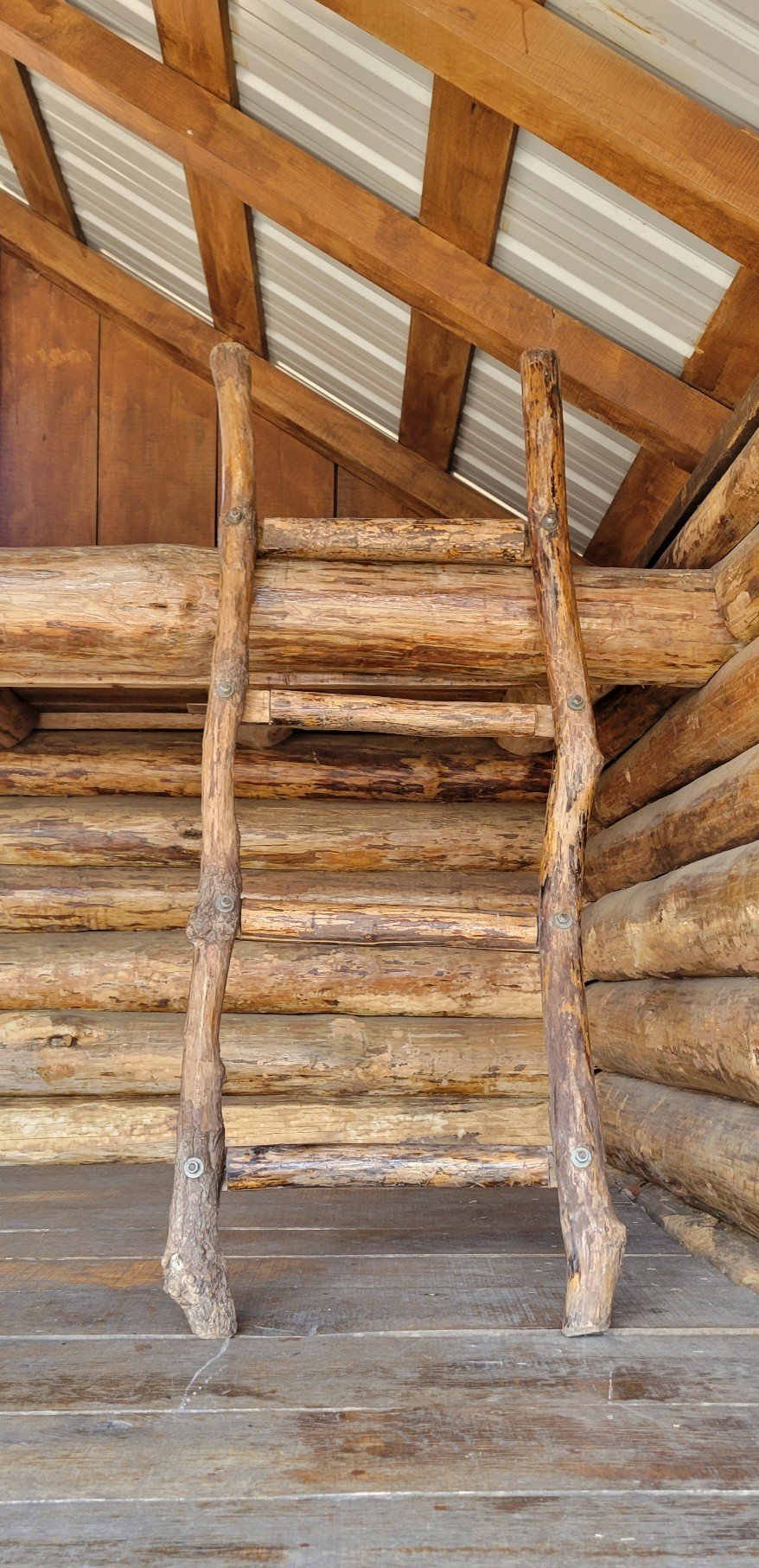
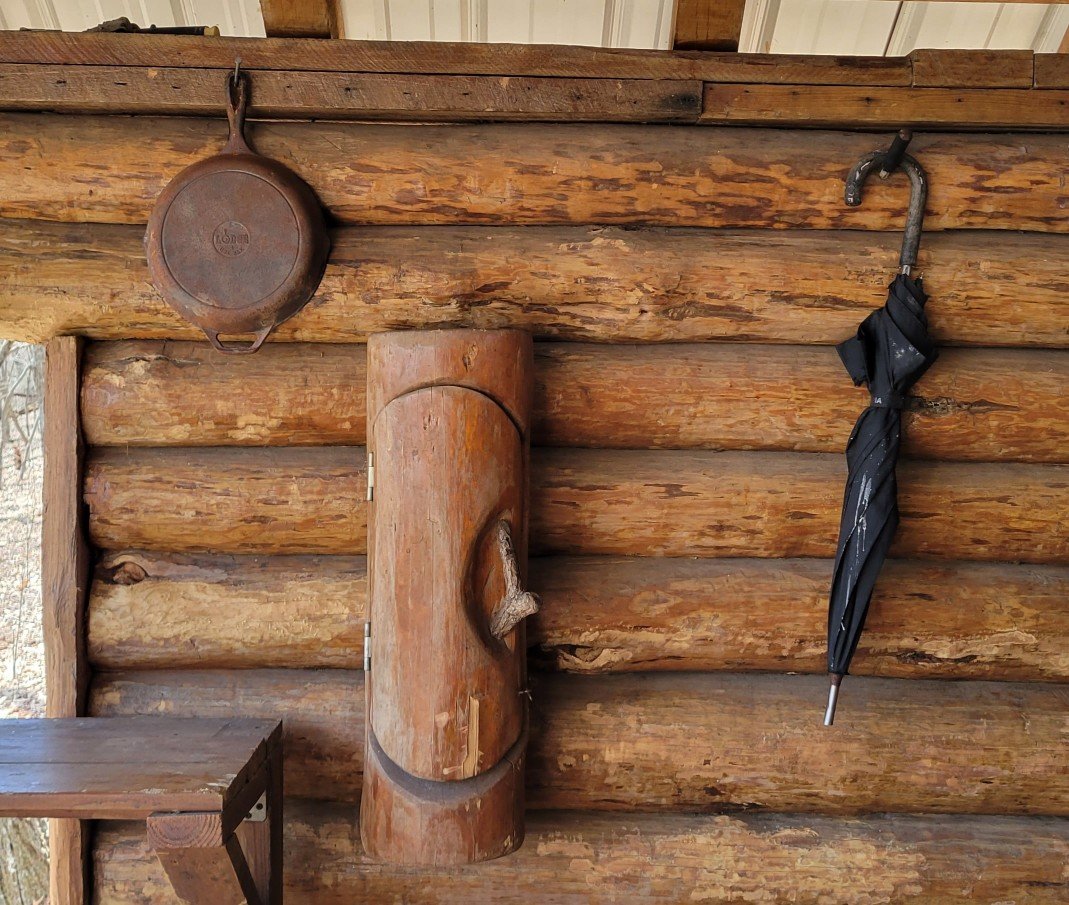
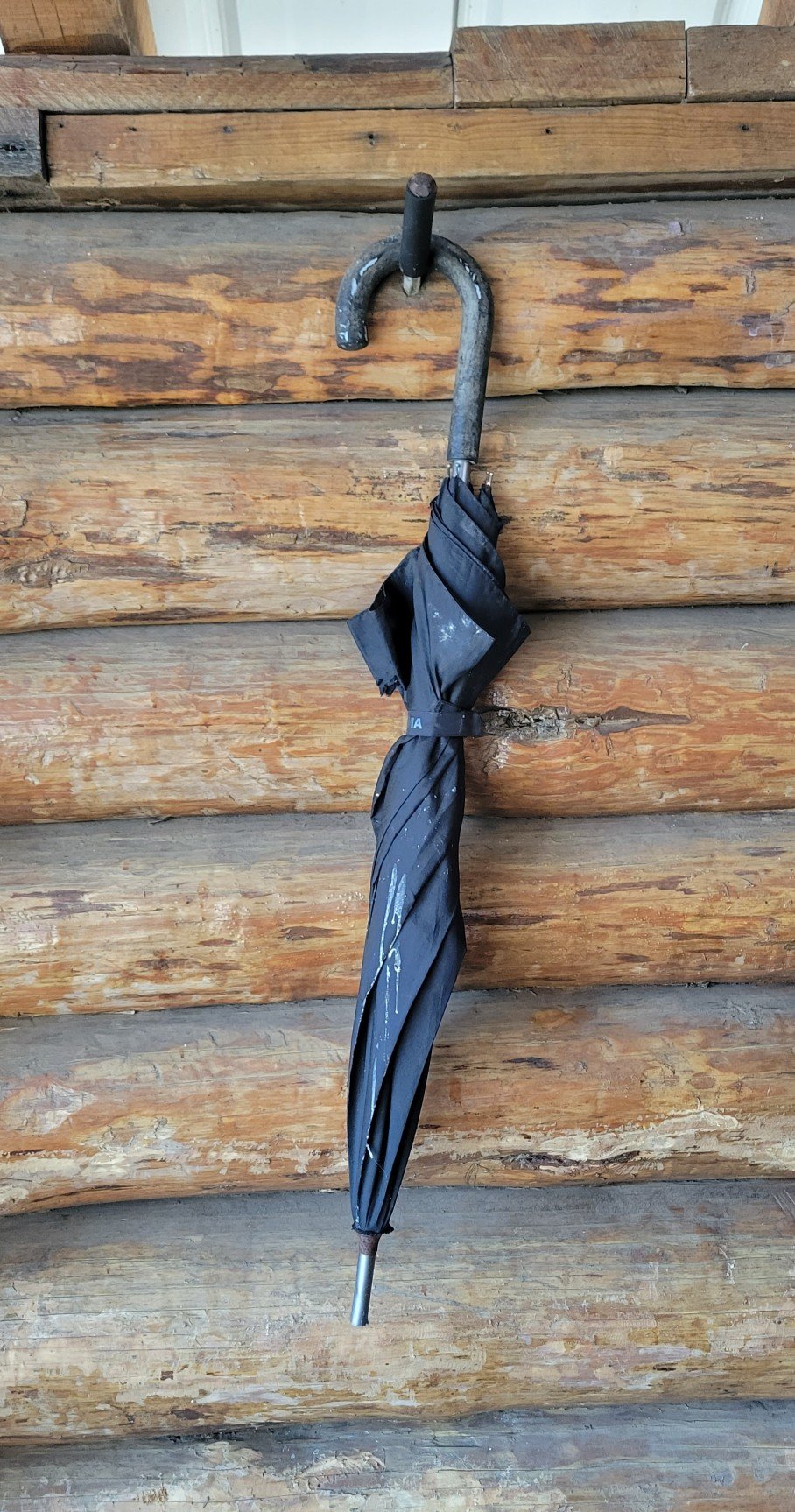

And here are some of the other Tuscarora Trail shelters.



c) Andrew Carter, 2022
After one night at the bunkhouse, I moved to the Super 8 Motel for my second night in Hancock. After check-in, I was told the motel has no hot water. That meant I had to go back to the bunkhouse for a shower. It also meant I had to squabble to get even a partial refund.
Other Hancock highlights included trying to find a place to eat. The first night I walked to a local restaurant that was supposed to be open until 8. It was only open until 7, so I had to walk in the opposite direction to a Pizza Hut, but the Pizza Hut was only open for take-out. I did get the Pizza Hut to let me eat in the closed dining room as long as I ordered at the counter.
The next morning, the only place open early for breakfast was a Hardee’s. I walked there, but discovered it closed, apparently for Good Friday. So I walked in the opposite direction to a local restaurant and waited outside in the cold for it to open at 8.
Other Hancock experiences included:
1) Walking to a post office after-hours to discover it has no self-service kiosk. I had to go back the next day during business hours.
2) Walking to a public library that happened to be closed on Good Friday, so I sat outside to use the WiFi.
As you may have picked up, I did a lot of walking in Hancock. It’s an historic town which time has passed by.
For most of its life, Hancock was a transportation hub. It was the site of a ferry across the Potomac River in Colonial times, then later the site of a bridge.
Its a town whose Main Street was part of the great National Pike leading west to Ohio from Baltimore during horse and buggy days. Then it was a stop on the C&O Canal and finally a stop on the B&O Railroad and Western Maryland Railroad.
There is still a bridge across the Potomac, but the National Pike has been replaced by Interstate 70 which speeds by the town. The Hancock exits are so poorly designed that not even car dealers and shopping malls have sprung up next to them.
The C&O Canal closed down almost 100 years ago. The Western Maryland Railroad is gone, so is the train station which used to serve it. The B&O Railroad (now CSX) is on the opposite side of the river. It’s station is used by company freight employees only. No Amtrak trains stop here.
What all this means is that most of downtown is empty storefronts — literally 80% to 90% of all commercial buildings are empty. Many of the buildings look abandoned and are decaying away. There are also abandoned and decaying homes. Some of these buildings and homes date to the early 1800’s or earlier. (The town was founded in 1749.)
It’s sad looking at these buildings, thinking of the past, and wondering what hope Hancock has for the future.
c) Andrew Carter, 2022
My stay in Hancock, MD has been an interesting one. I took a nearo to get here and a zero once I arrived.
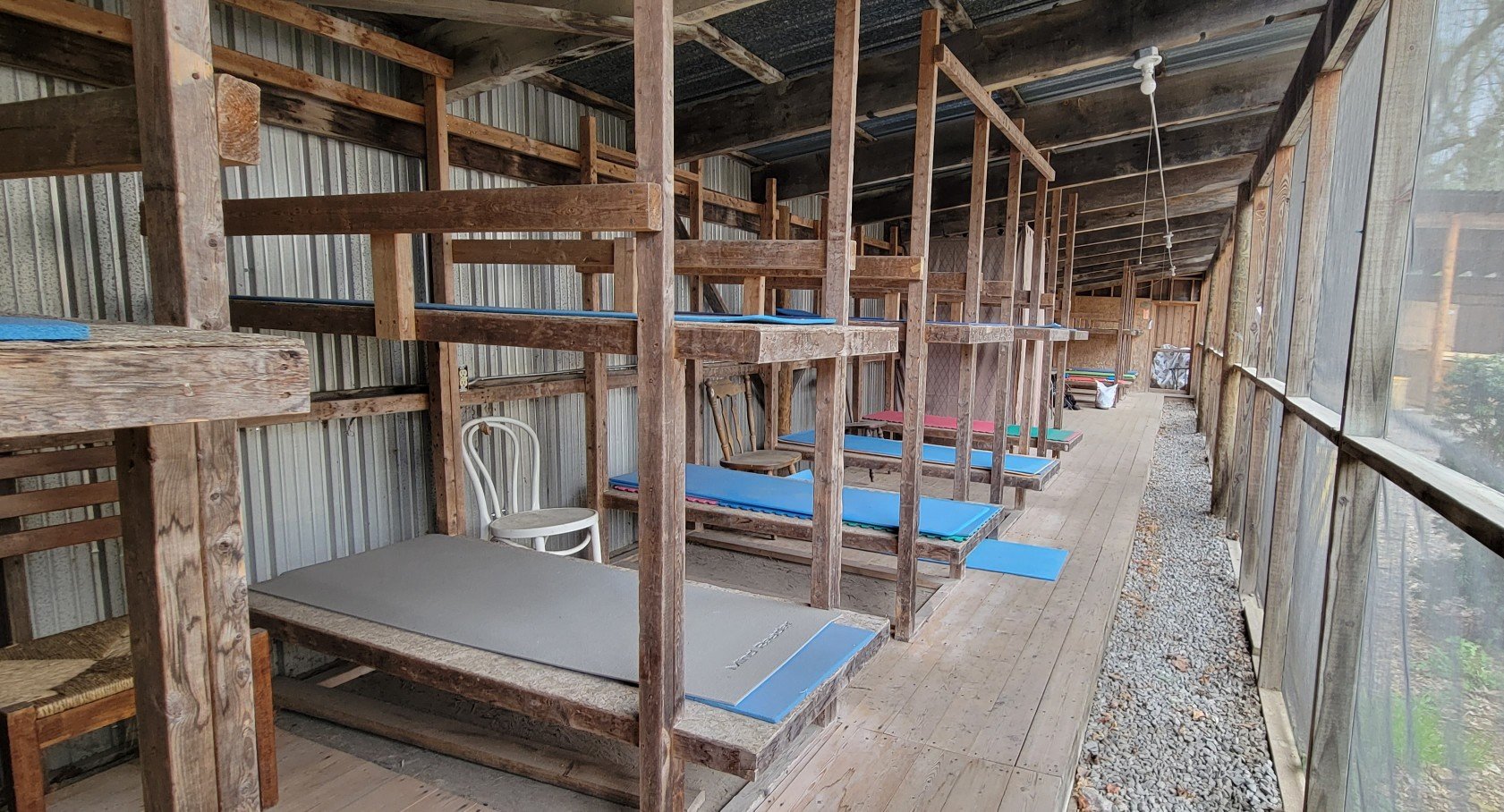
I had planned to stay at the C&O Bunkhouse for two nights. The bunkhouse is operated by the C&O Bicycle Shop which is located right next to the C&O Canal towpath that now serves as a long-distance bicycle trail between Cumberland, MD and Washington, DC.
I had expected the bunkhouse to be an enclosed building. Instead it’s a screened pavillion. Very cold on these early spring nights.
I expected bathrooms. Instead there are porta-potties and semi-enclosed shower stalls.
I expected a lawn out front. Instead, the bunkhouse looks out on the service yard of the bicycle shop which also happens to be a Husqvarna lawn equipment dealer.
Dirt, gravel, new equipment, used equipment, cardboard boxes strewn about, and the whine of chain saw, weed eater, and lawn mower motors being repaired. Quite the ambiance.
I probably should have known better since the bunkhouse fee is $15 per night. Caveat emptor
You’ll find video footage of the bunkhouse in another post. Here are photos.

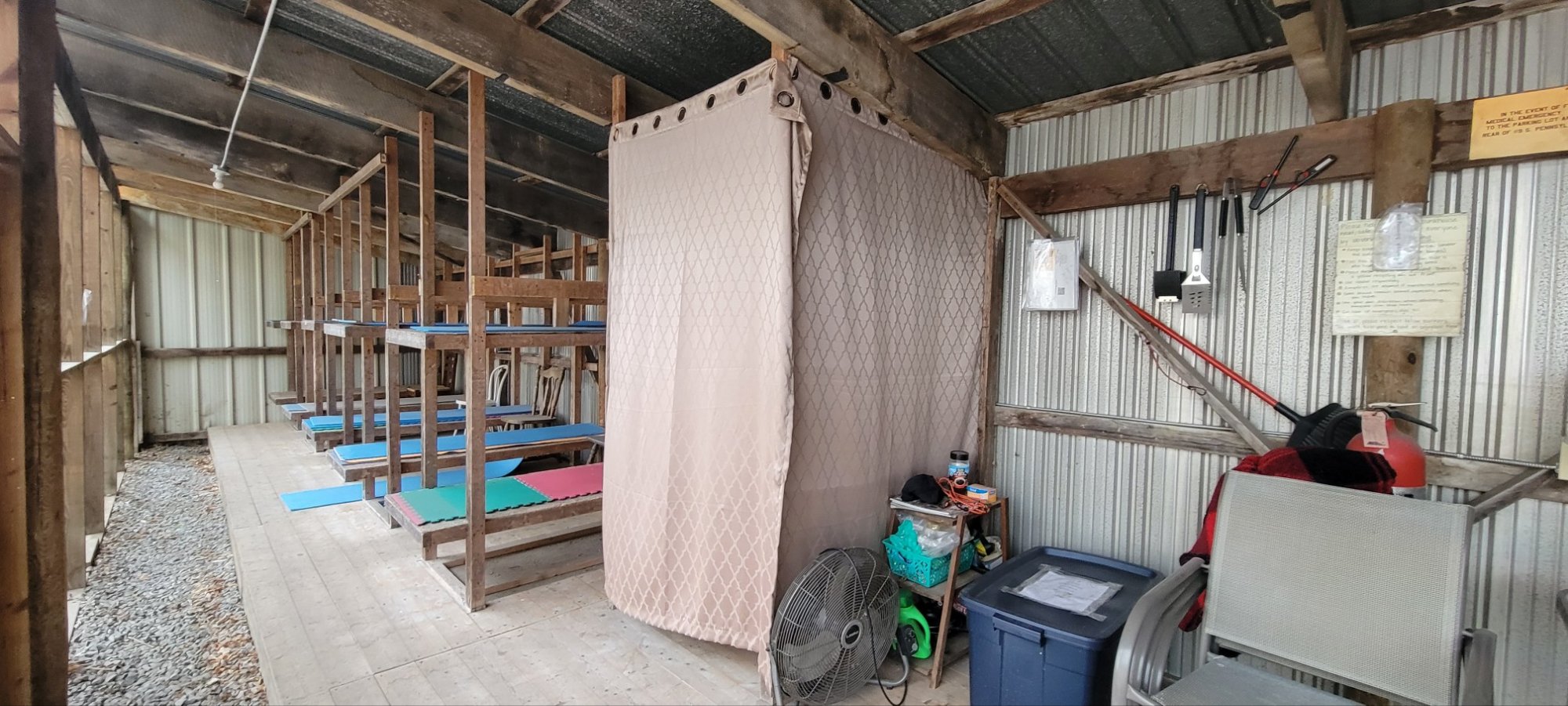
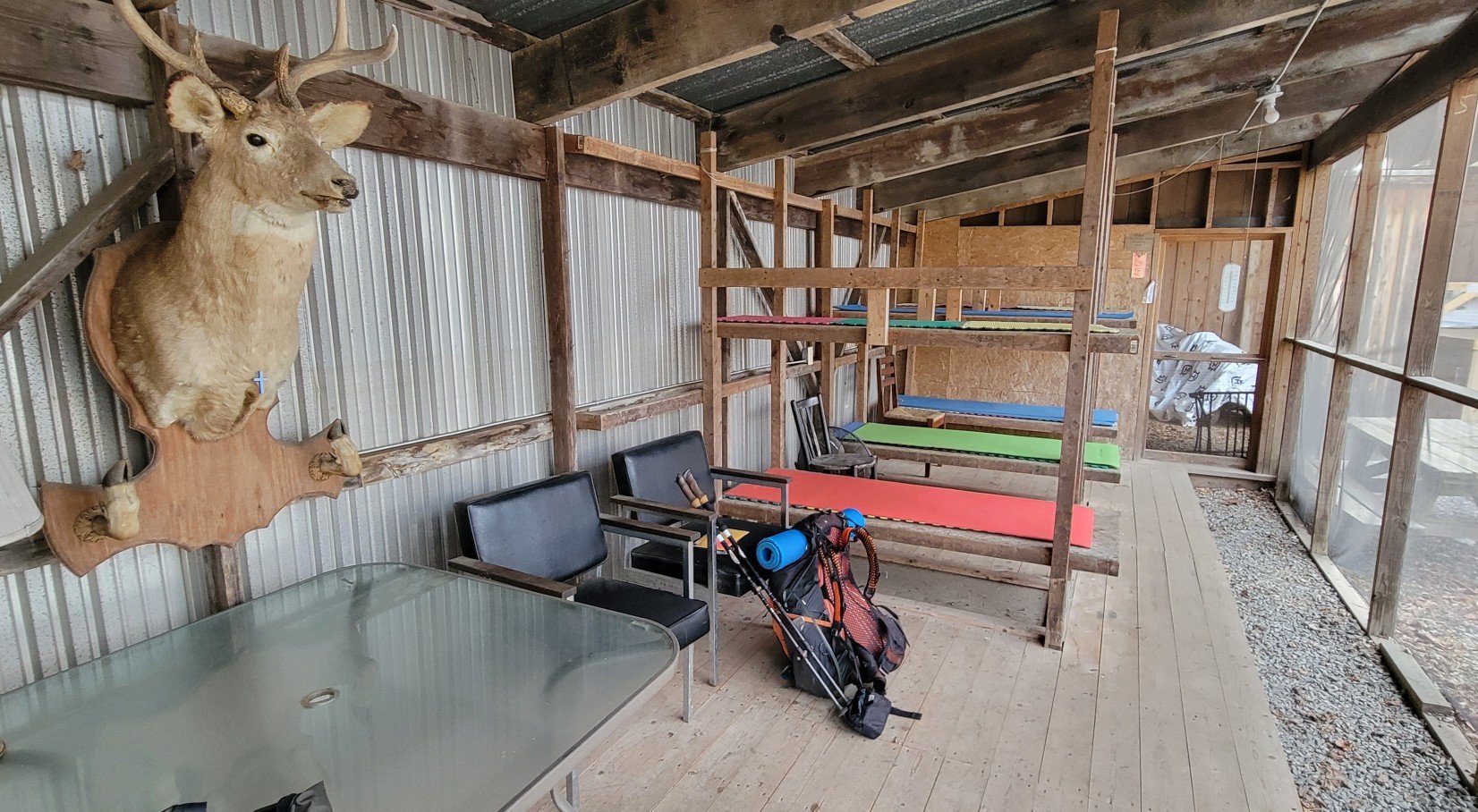
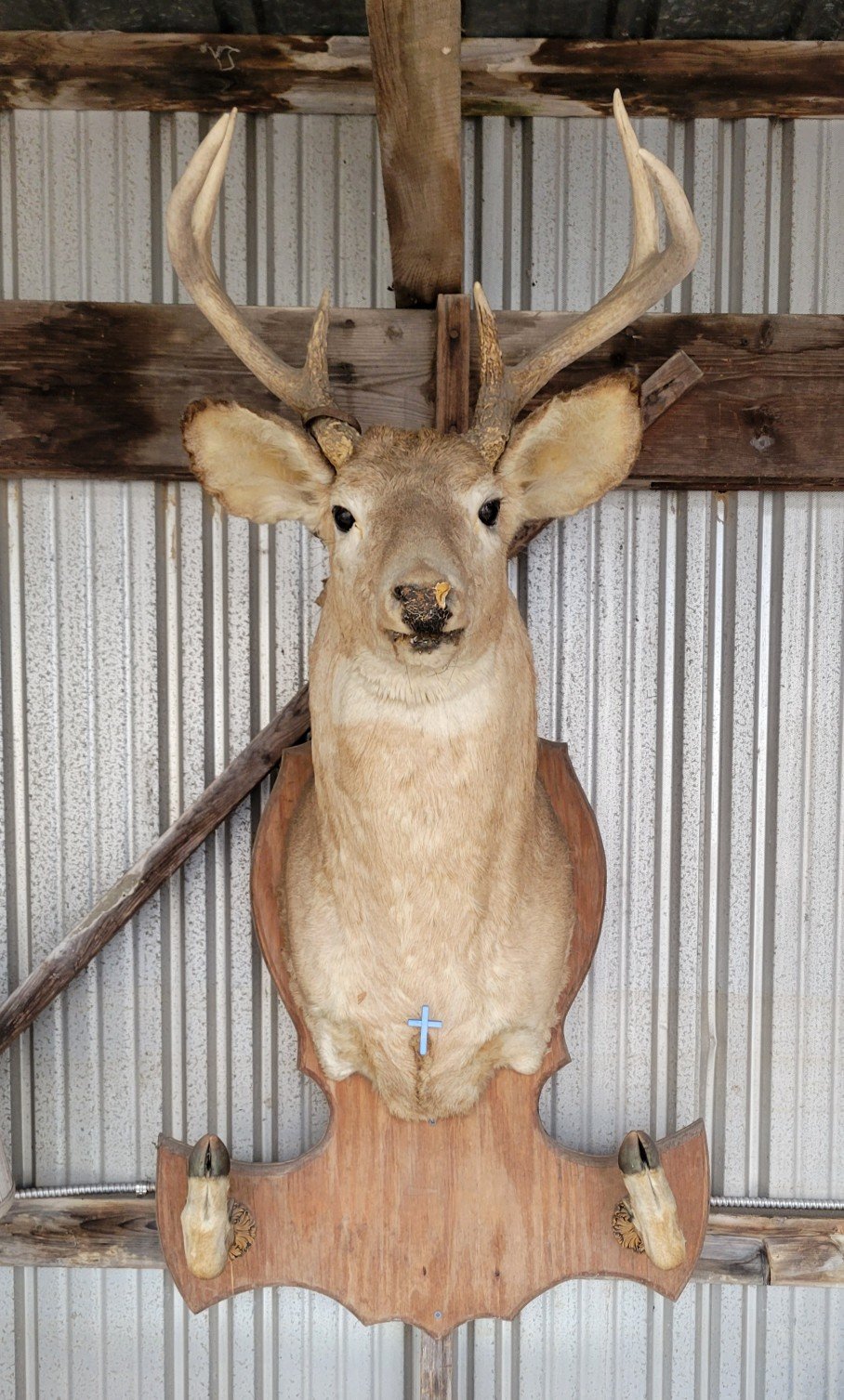
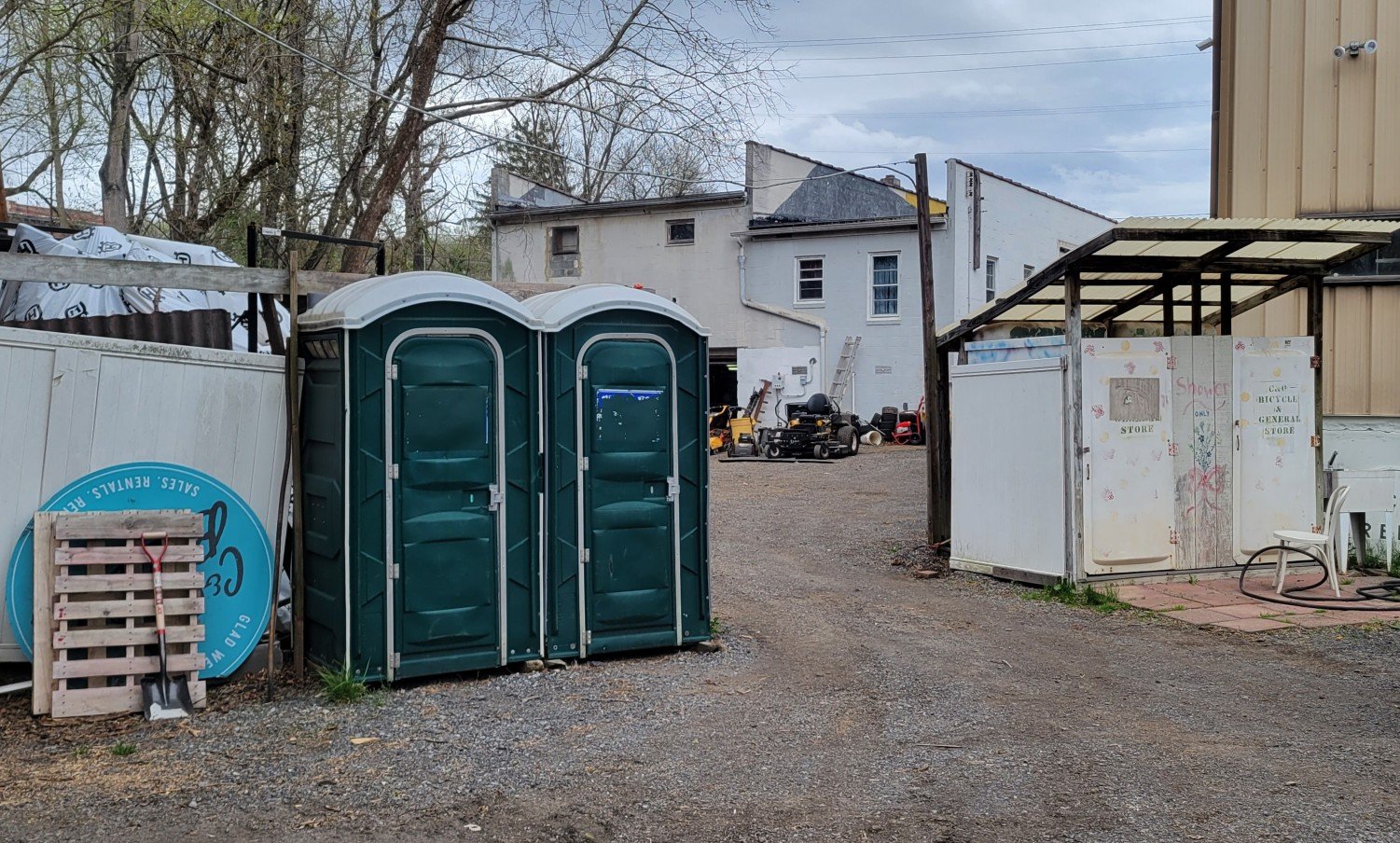
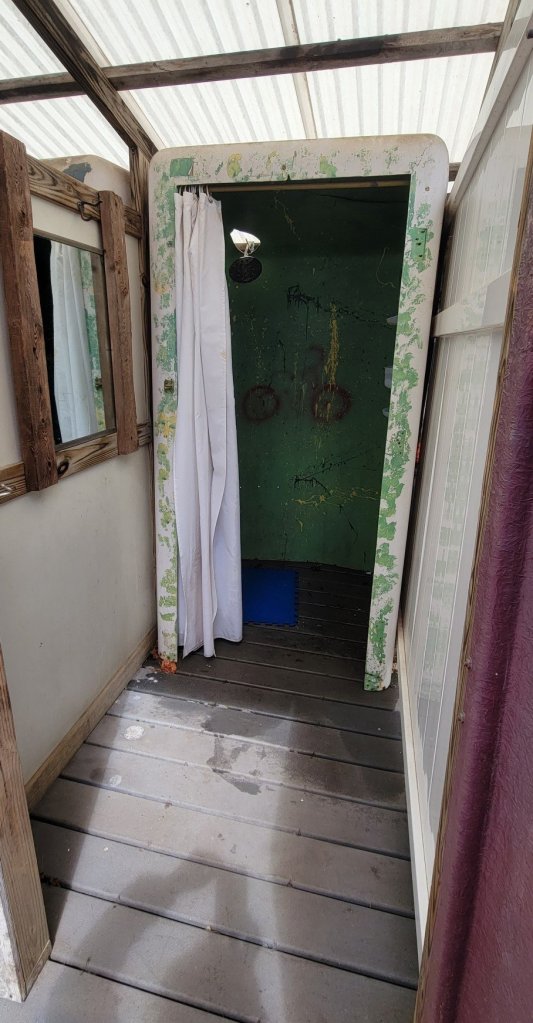
As I wrote above, I planned to spend two nights at the bunkhouse. Instead I spent one night and spent the second night at a motel. More on that later.
c) Andrew Carter, 2022
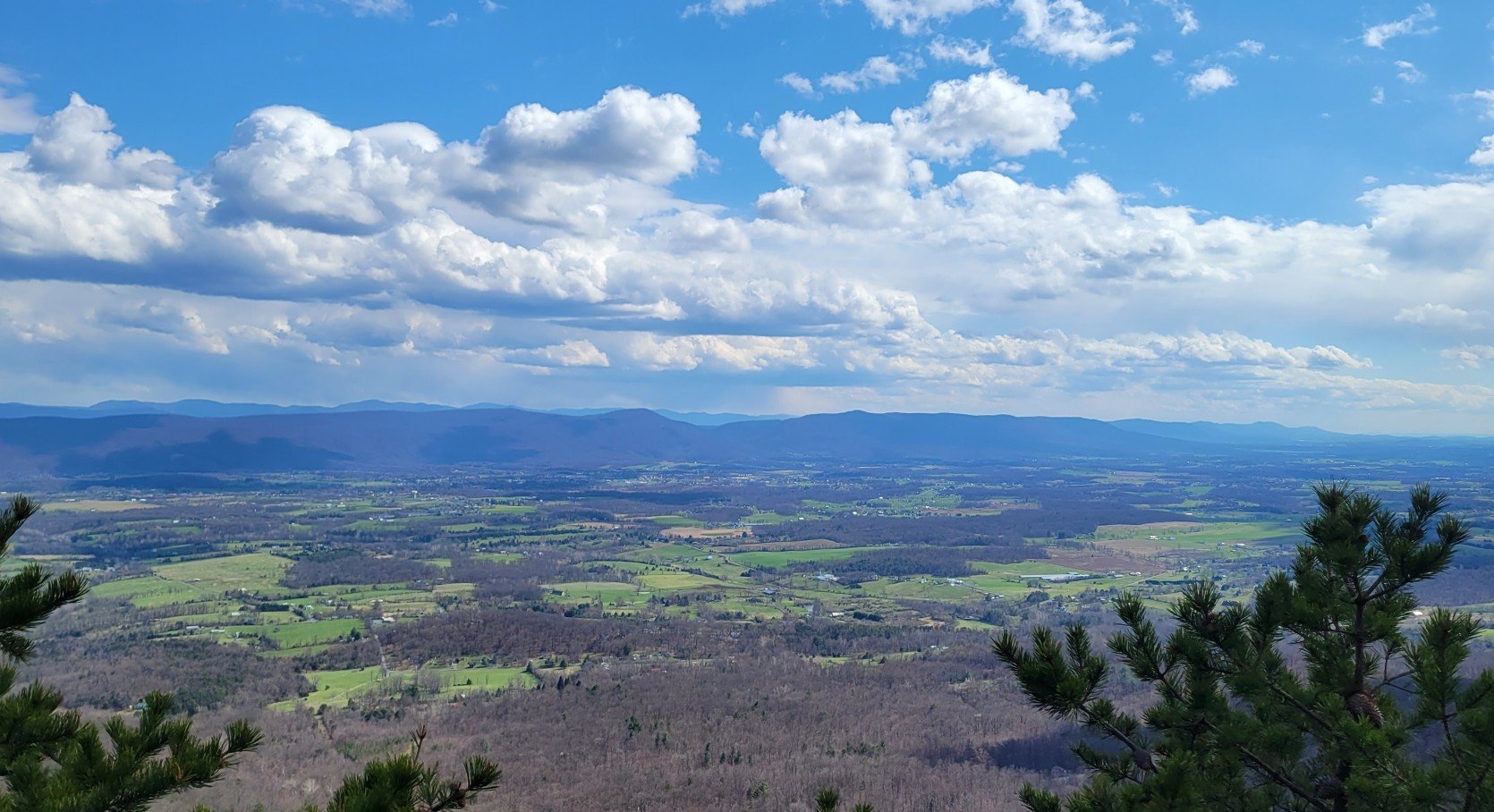
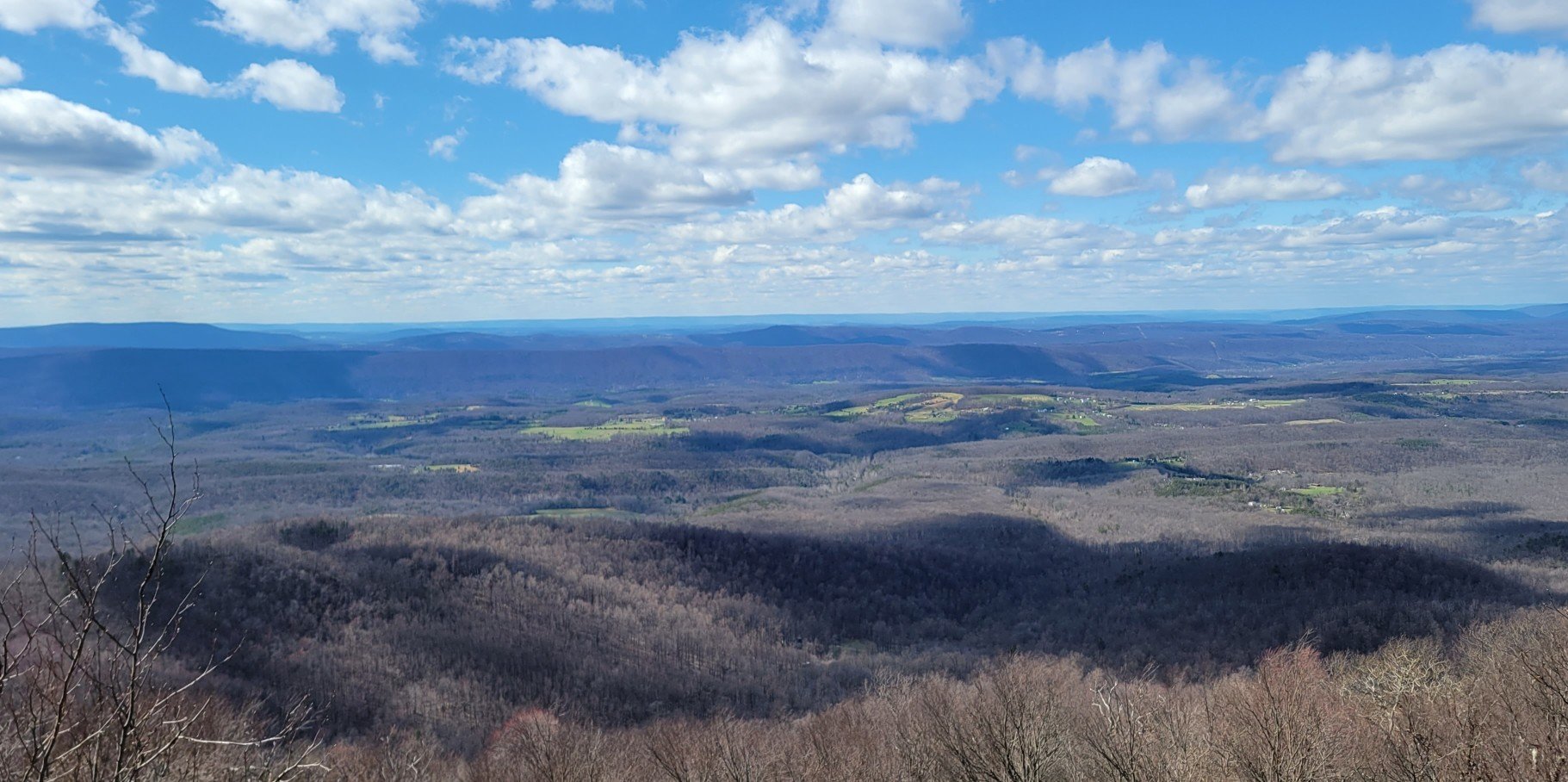
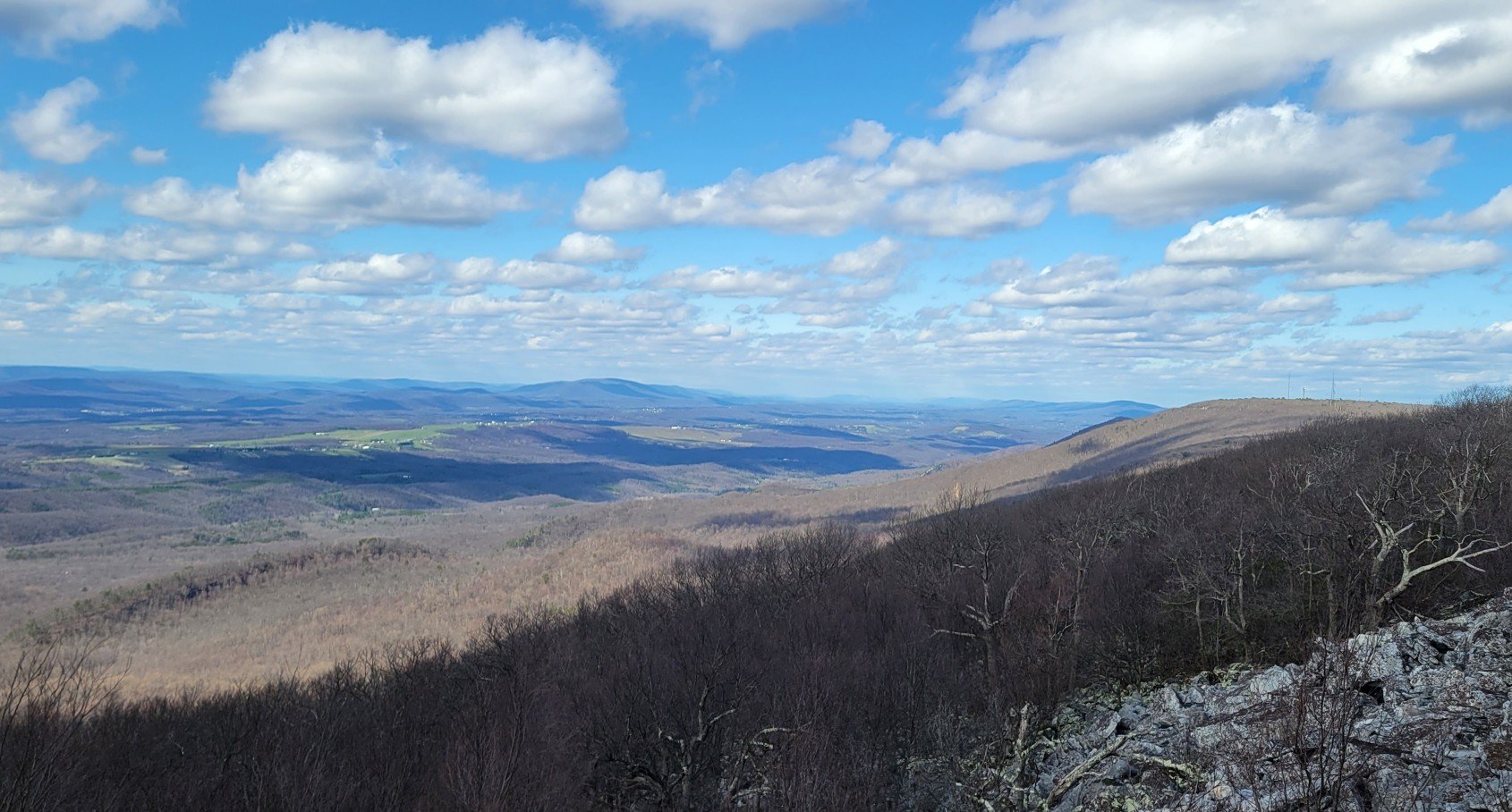
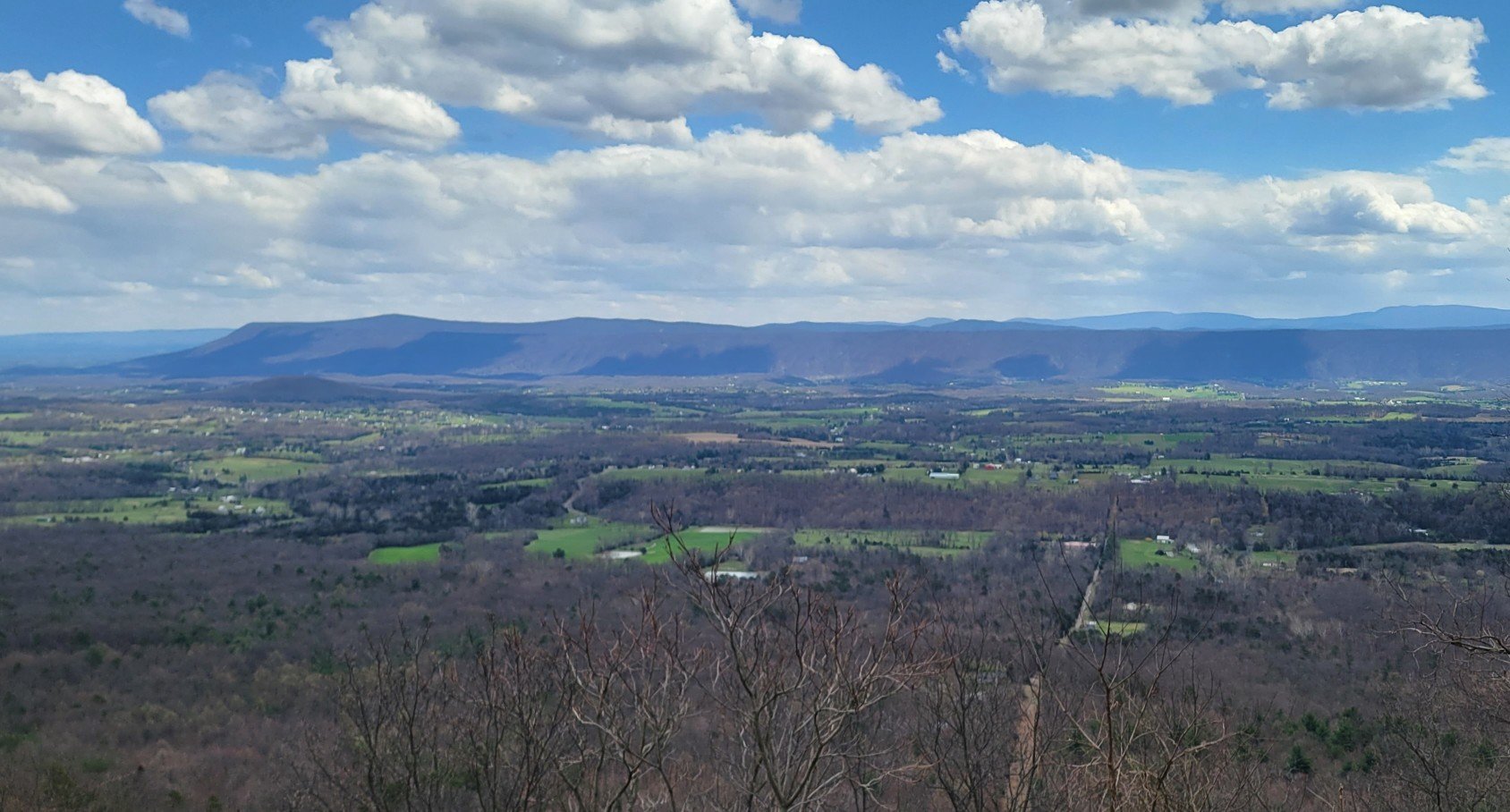
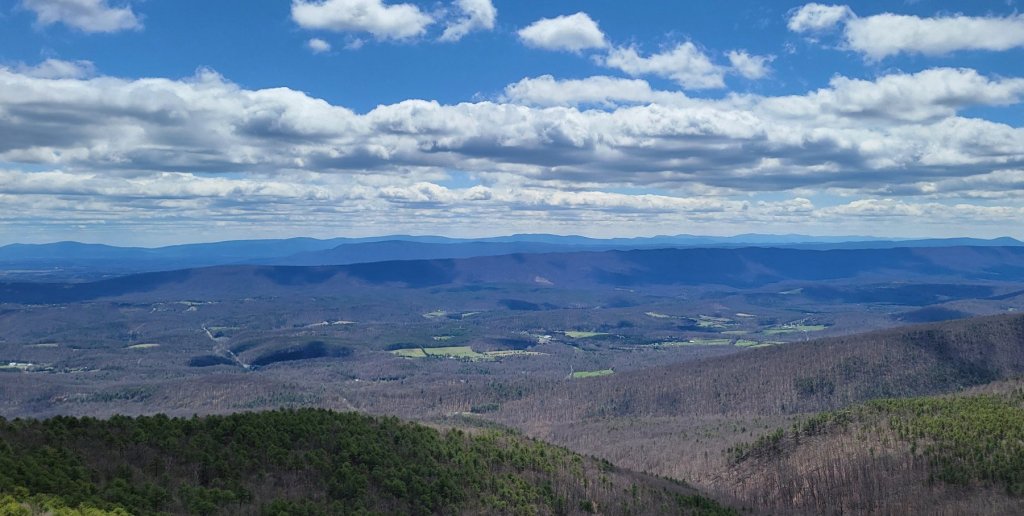
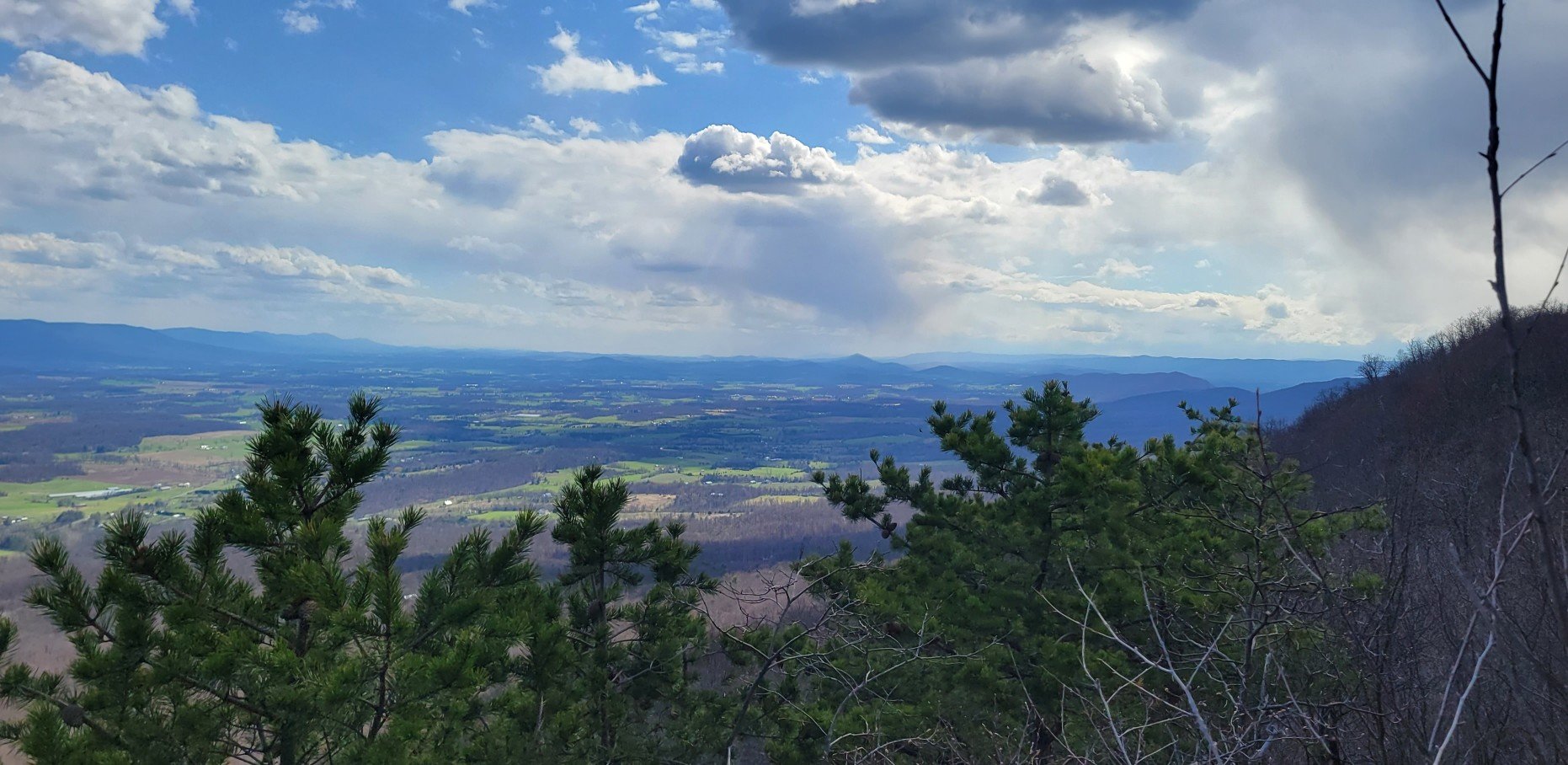
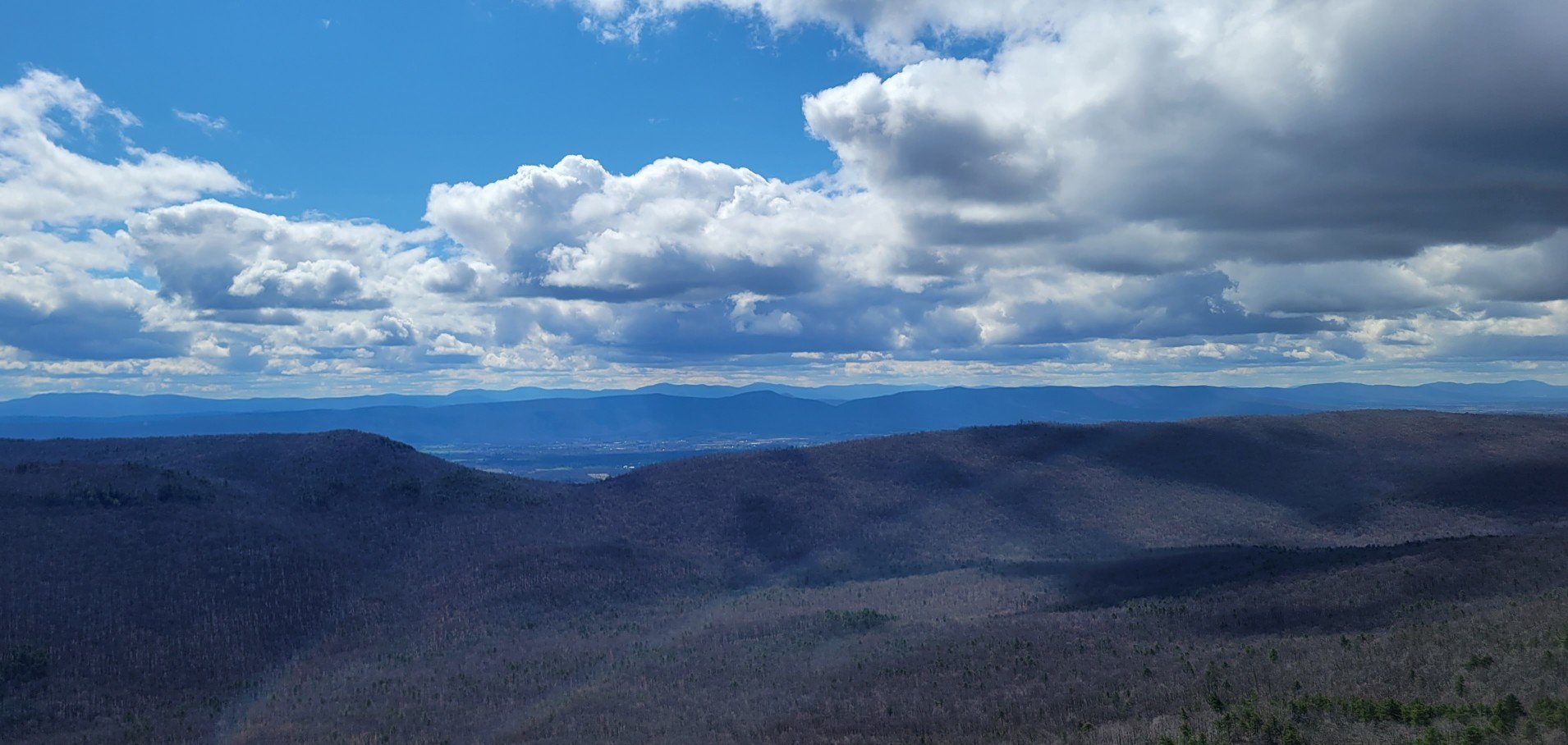
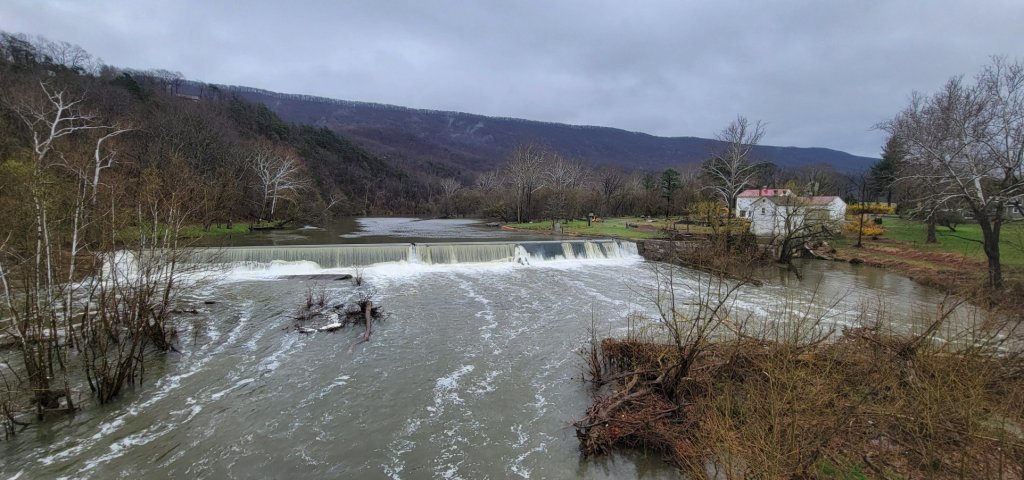
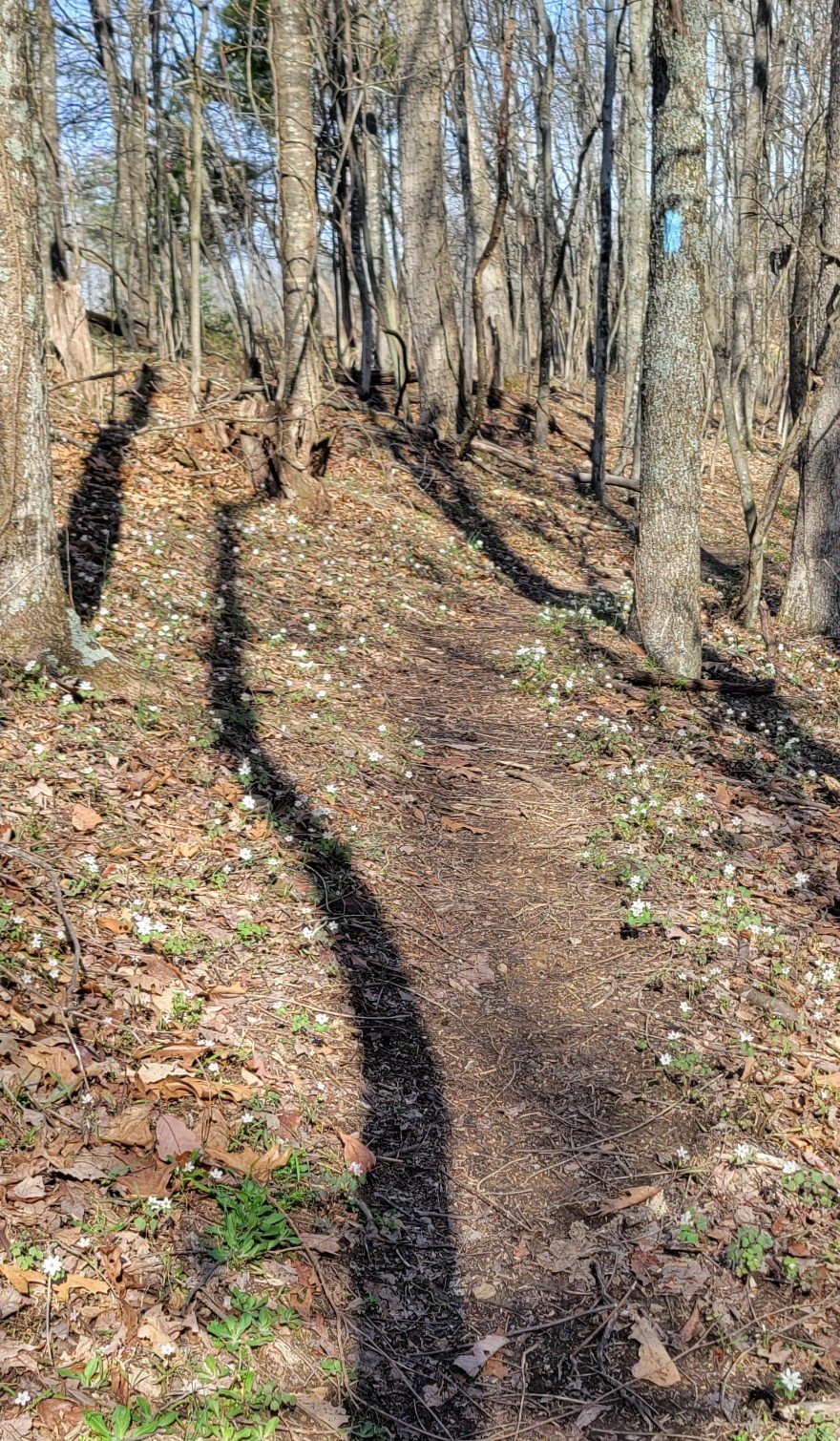
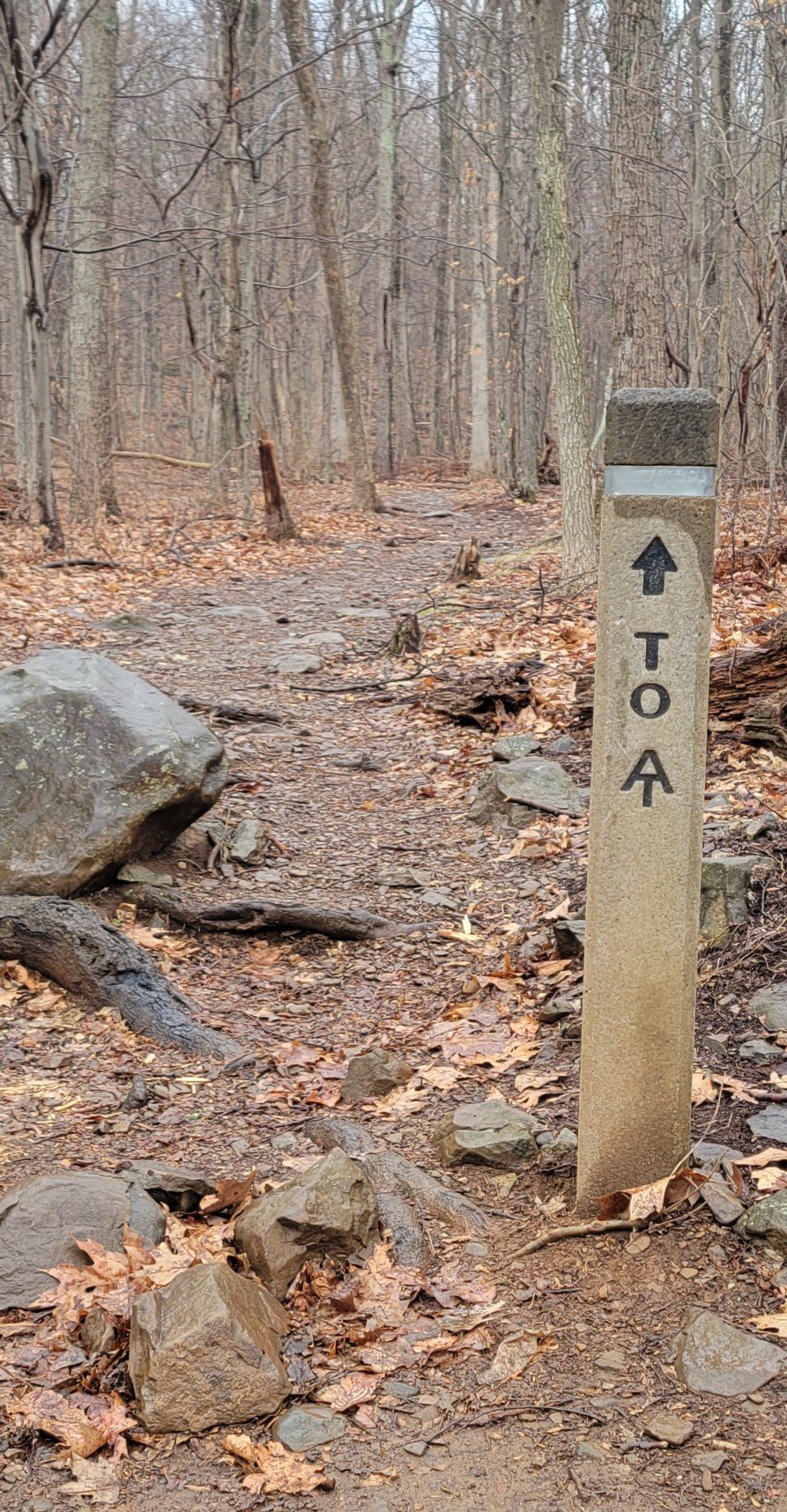
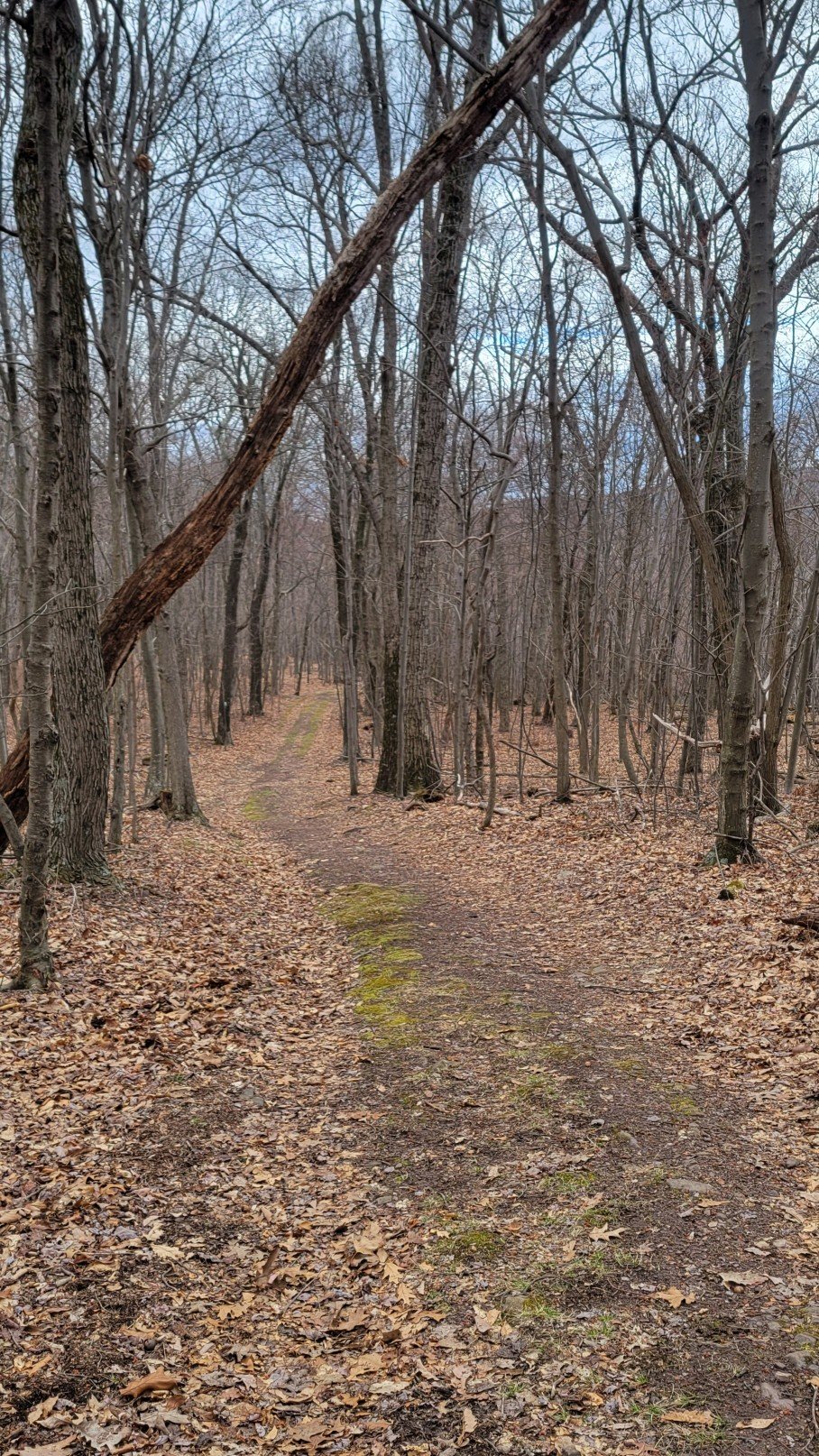
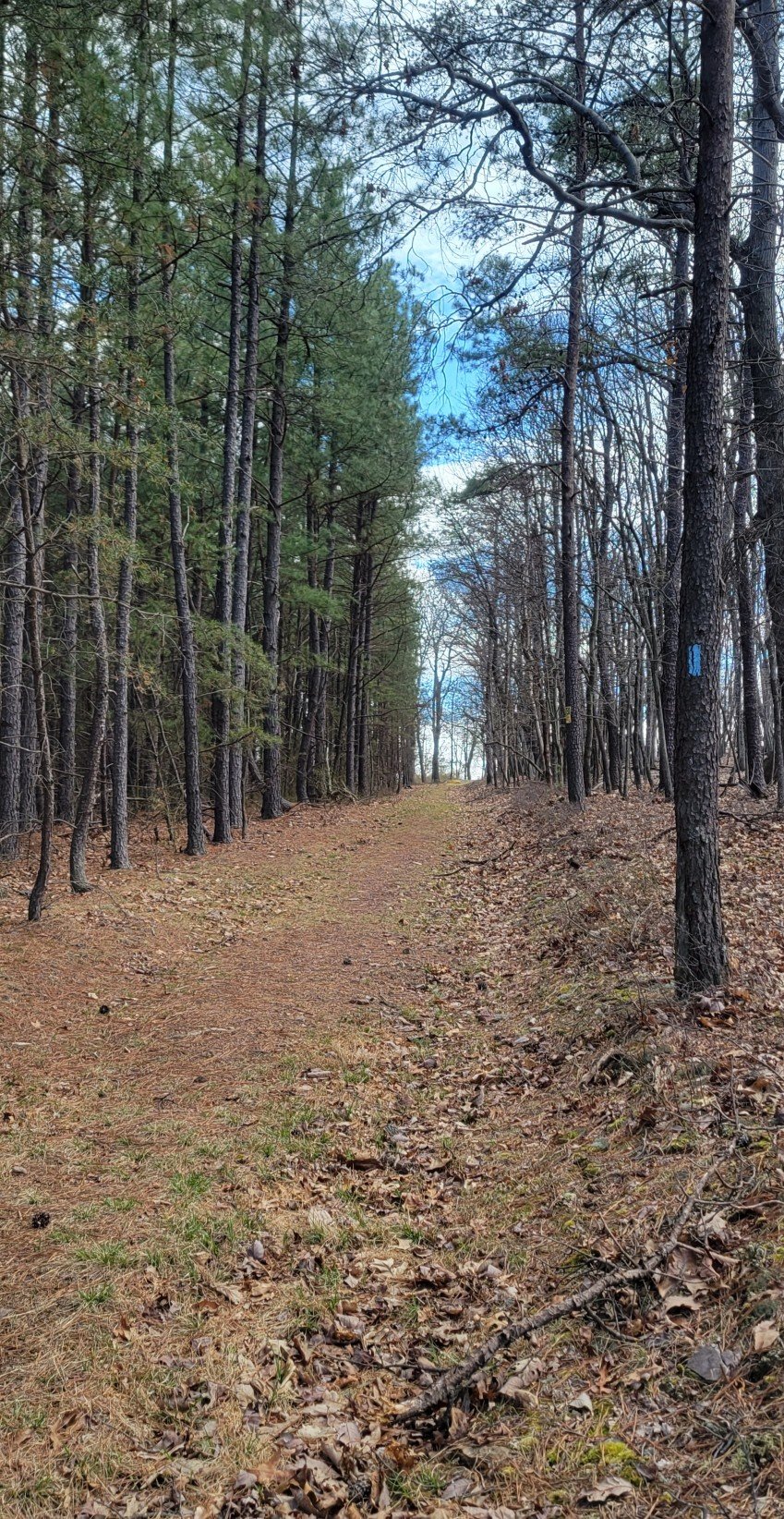
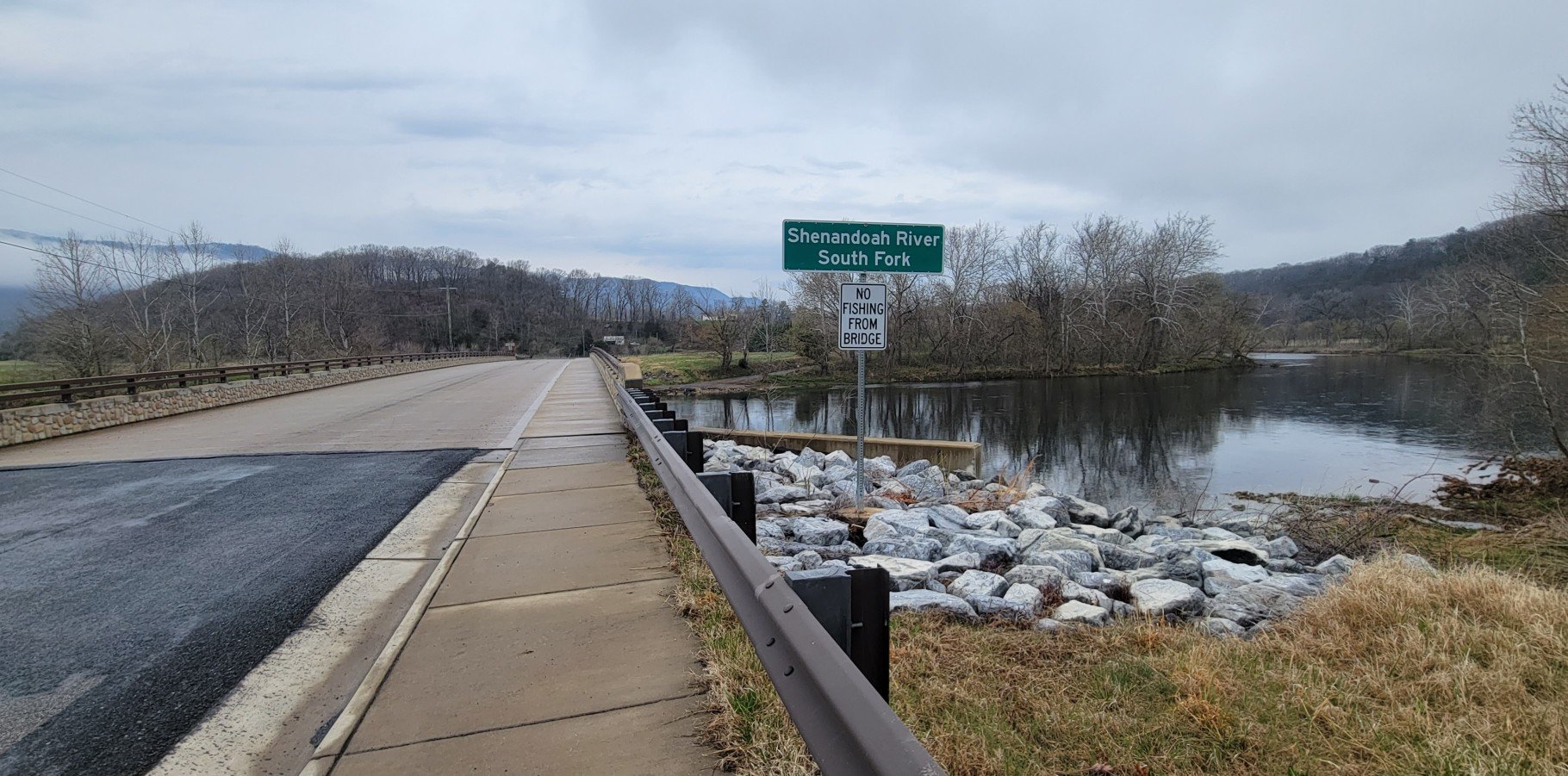
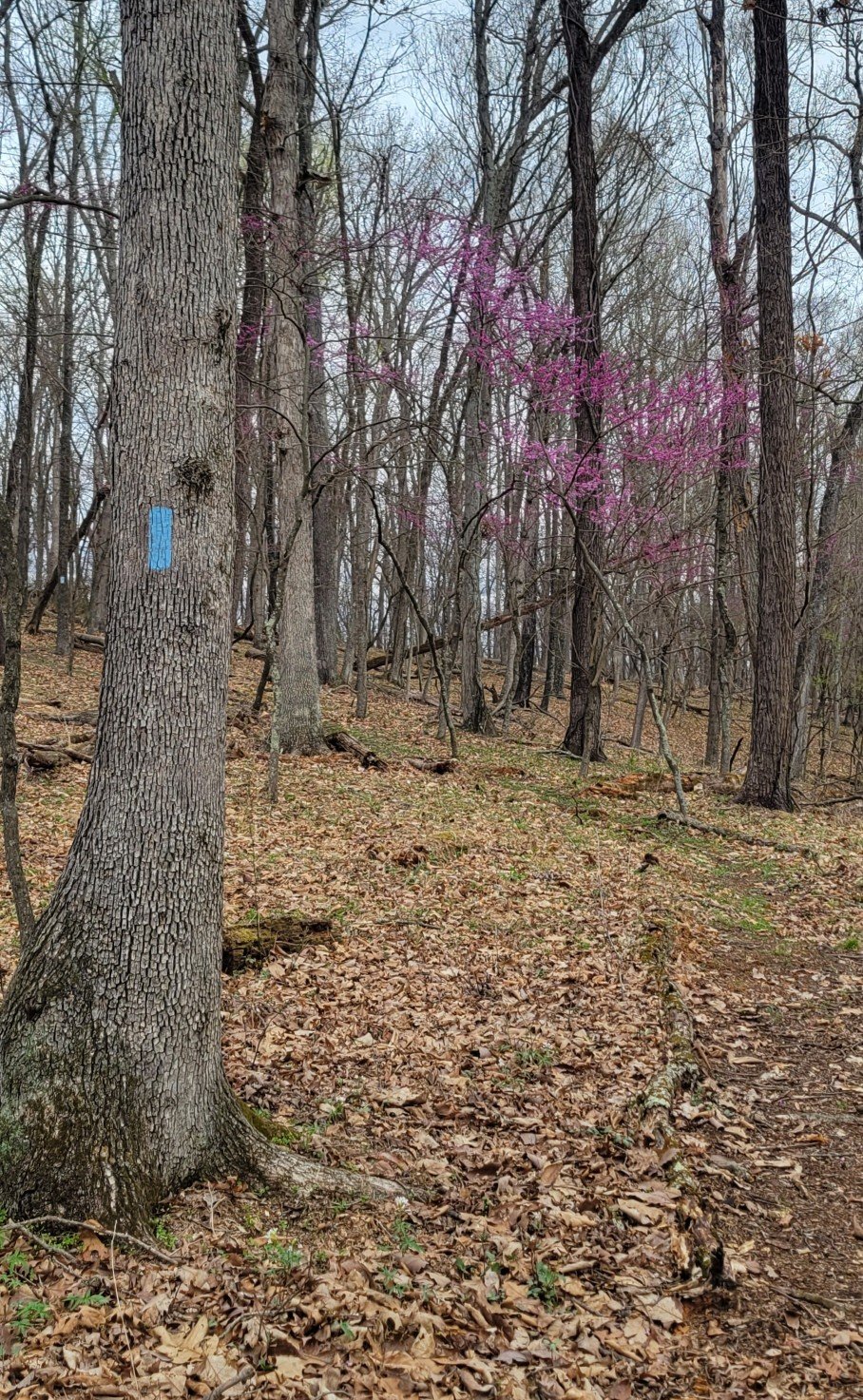
I started hiking the 254-mile Tuscarora Trail (TT) on April 5th. It runs from Shenandoah National Park in northern Virginia to central Pennsylvania near Carlisle. The TT starts on the Appalachian Trail (AT) in the Park, heads west across the Shenandoah Valley, then due north through parts of West Virginia, Maryland, and Pennyslvania, where it rejoins the AT again.
The TT was created in the 1970’s before passage of the National Trails Act when there was concern that the AT might have to be relocated west to avoid housing development in Northern Virginia and the Susquehanna Valley of Pennsylvania.
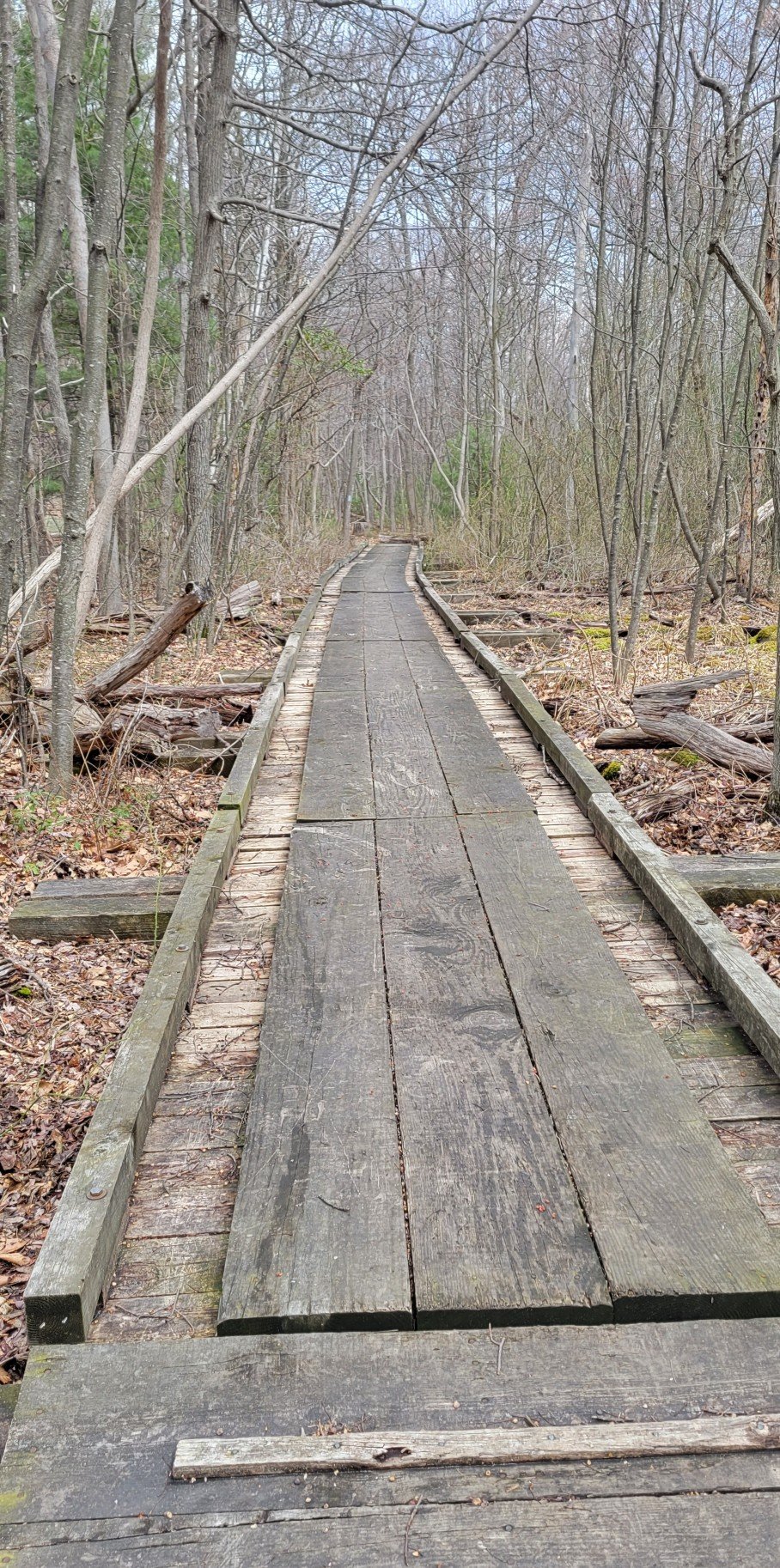
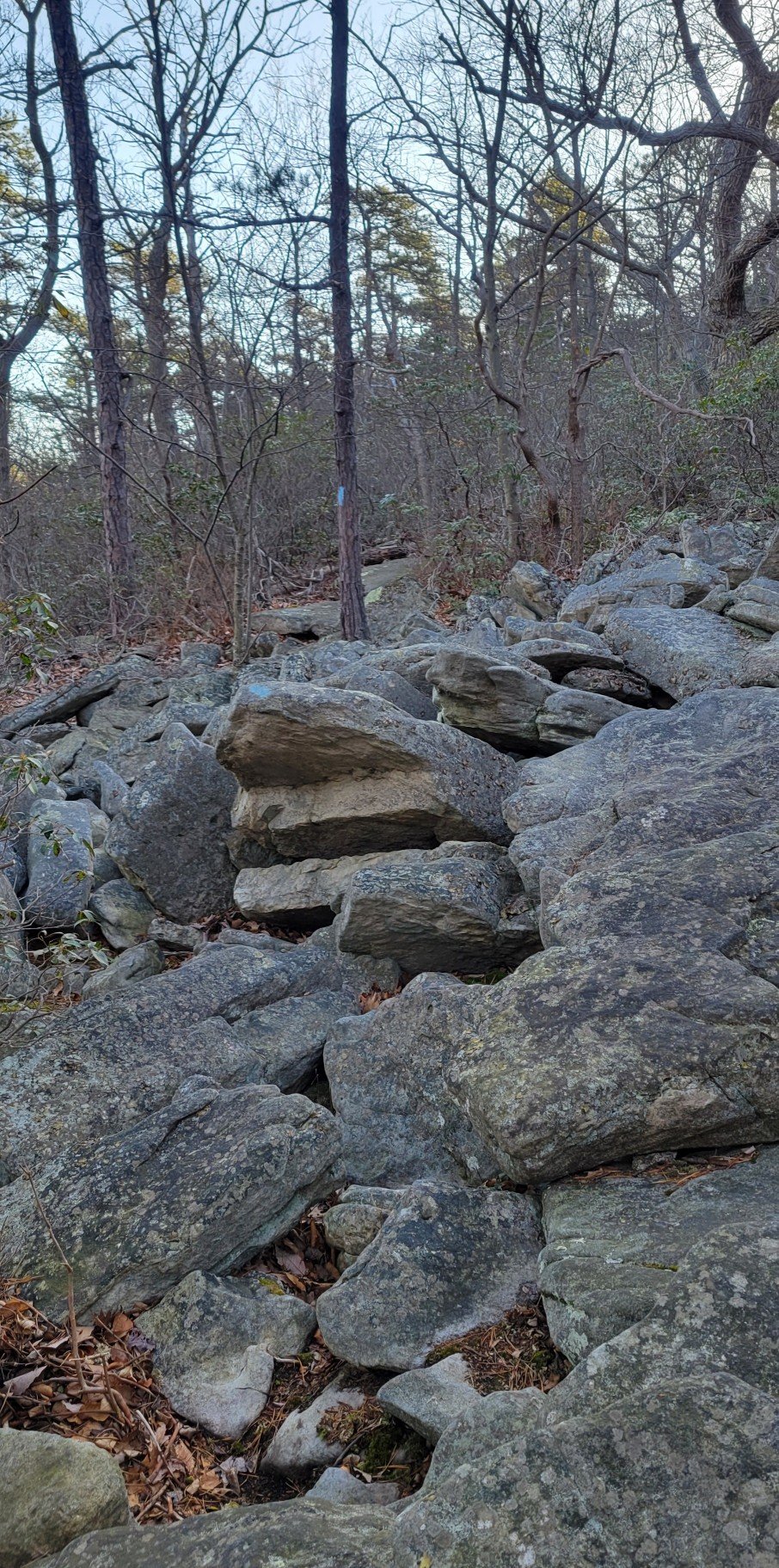
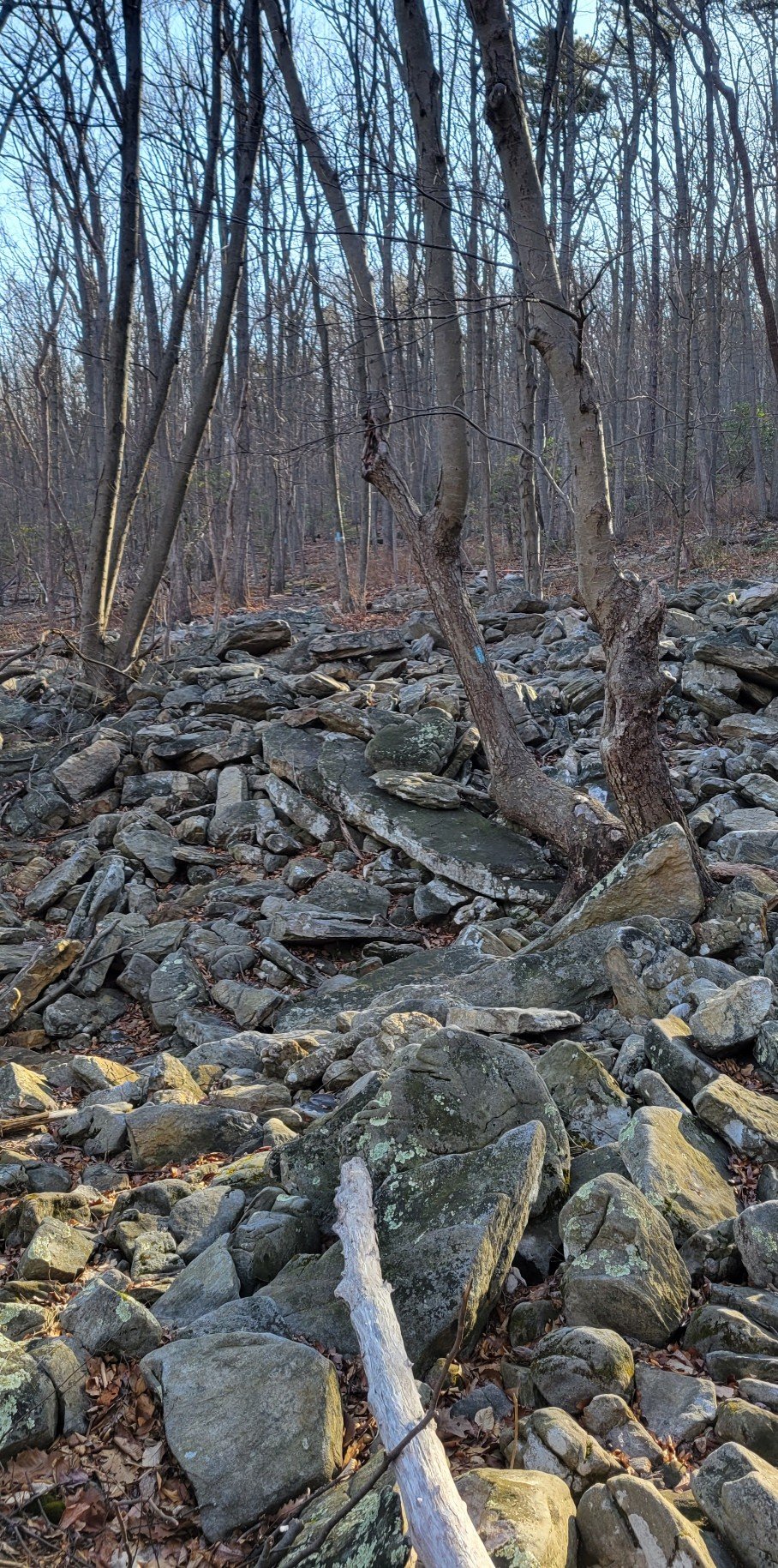
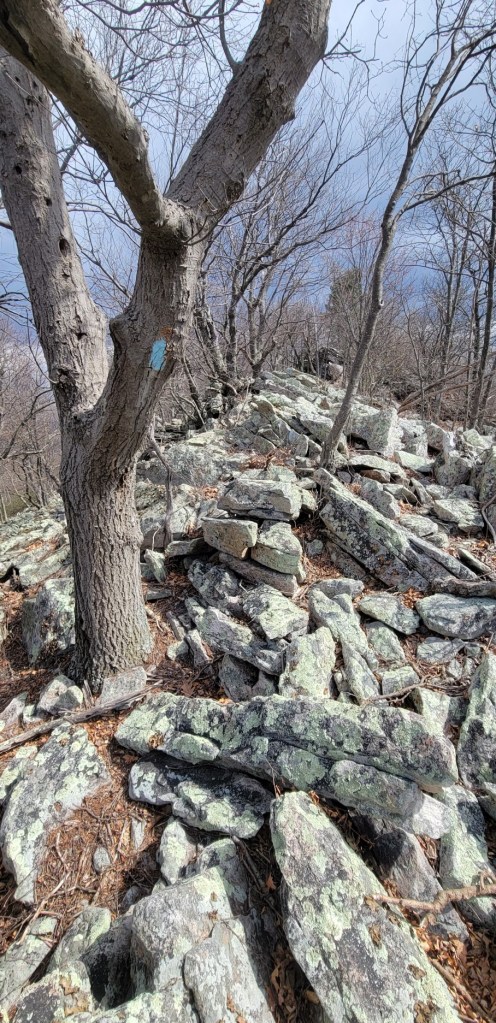
Probably 40 miles of the TT is currently on roads, mostly country roads, but sometimes fast-moving state highways. The trail portions of the TT are delightful. The road portions, not so much.
The Trails Act set aside money to purchase right of way for the AT so that the AT is now secure, but the TT is now threatened.
I’m in Hancock, MD right now, which is slightly north of the mid-point of the trail. I’ve hiked 146 miles of the TT to get here and have 108 miles to go. I’ll be done in about a week. Then it’s home to California.
c) Andrew Carter, 2022
Who says it doesn’t get cold in Virginia in April?
 Carter Hikes